
In short
Loose chippings after surface dressing are normal. Slightly more stone is spread than the bitumen can hold so every part of the surface is covered, and the excess is meant to be swept off. Slow traffic beds the rest in over the first few weeks. Drive slowly, keep your distance and the surface tightens up on its own.
This is a job for our Surface Dressing service.
Why the stone is loose in the first place
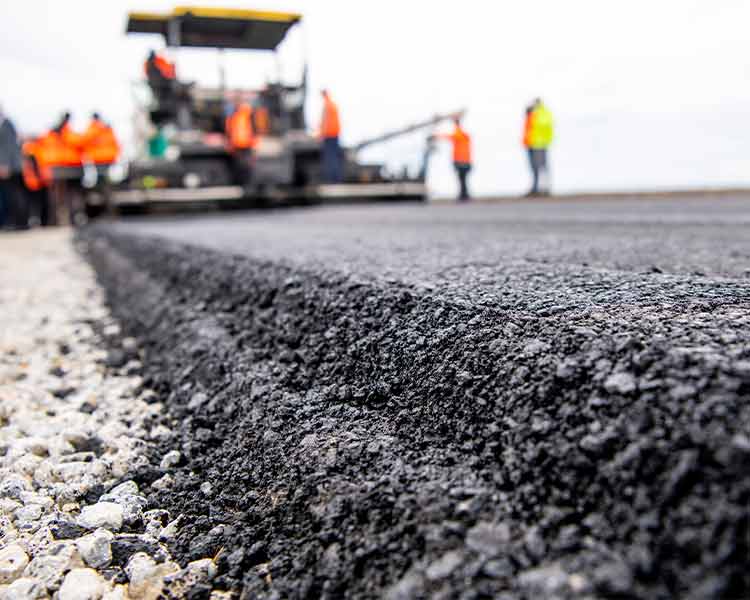
Surface dressing is a spray of hot bitumen followed straight away by a layer of stone chippings, rolled in. West Sussex County Council, which dresses its own rural roads every summer, explains that slightly too much stone is spread on purpose so there is enough to cover every part of the road. The spare chippings have nothing to stick to. They sit on top until traffic beds the rest in and the surplus is swept away.
So a private road or drive with loose stone on it a week after dressing is behaving exactly as it should. What matters is what happens next.
How long it takes to settle
West Sussex says most of the loose stone becomes embedded over the first few weeks as vehicles pass, with the road swept at intervals in that period. East Sussex Highways sweeps its excess chippings at around three days and again a week after application. On the estate roads and farm drives we dress, we roll the chippings in on the day, come back to sweep, and the surface is usually tight within the month.
| When | What you will see |
|---|---|
| Day of dressing | Bitumen sprayed, chippings spread and rolled. Surface can take slow traffic the same day. |
| First week | Loose stone in the verges and on bends. First sweep. |
| Weeks two to four | Stone beds in under traffic. Second sweep if needed. Surface goes matt and firm. |
How to treat it in the meantime
- Drive slowly. Councils post an advisory 20mph after dressing for a reason: speed throws stone and marks paintwork.
- Avoid sharp turns and hard braking on the spot, especially with tractors and trailers. Turning a wheel on fresh dressing scrubs the stone out before it has bonded.
- Keep your distance from the vehicle in front, as you would on a wet road.
- Do not pressure wash or scrape the surface in the first month.
When loose stone is a problem
Loose chippings that keep coming, months later, with bare bitumen showing through, are a different matter. That is stone that never bonded, usually because the dressing went down in the wet or the cold, or onto a surface that was too dusty or too soft to hold it. Dressing needs a dry, warm surface, which is why councils run their programmes in the summer months. If your surface is shedding well after the first month, ask us to look at it rather than sweeping it again.
Why we still recommend it
A few weeks of loose stone is the price of the cheapest way to seal a sound road. West Sussex puts the extra life from a surface treatment at up to ten years, depending on traffic and the condition of the road underneath. For a private road or a long farm drive that is structurally fine but going grey and porous, that is hard to beat.