
Where we work
Surfacing contractors in East Sussex
Laymac Ltd covers East Sussex and the villages around it. Tell us what needs doing and we will come and look at it.
An East Sussex enquiry can be a short town driveway or half a mile of approach to a rural property, and the two have almost nothing in common beyond the county name. The High Weald takes up much of the county, a ridged landscape of sandstone and clay with dispersed farms and small settlements, while the chalk of the South Downs comes through at Lewes and the Ouse valley cuts up towards Uckfield. We work across the county from Horsham, and we establish the length of the approach, the delivery access and any shared use before pricing.
High Weald ground, and what it does to a surface
Around Crowborough and Heathfield the ground is ridge and valley, with Ashdown sand and Wealden clay interleaved and changing over short distances. The practical effect is that one part of a track can be firm and the next thirty metres soft, so testing the route matters more than labelling the county. Clay softens and ruts under load in winter; the sandier ground drains but can wash on a gradient, which is why material moves down a slope and gathers at the bottom. Where the approach falls steeply, the fix is usually cross drains and a proper camber rather than another layer over the top.
Around Uckfield, streams converge on the Ouse and low points hold water. We ask where runoff goes now and inspect the low ground before raising levels or changing how an entrance meets the rest of the site. At Lewes, the chalk downland gives firmer formation but steep approaches and, in the town, established entrances with boundaries and finishes worth retaining. We check the site rather than assuming that every East Sussex property sits on the same soil or needs the same drainage.
Who we work for in East Sussex
Much of it is rural. Farms, smallholdings, estates and equestrian yards, where the job is usually a track, a yard, a gateway or a turning head rather than a driveway. Gateways and turning areas take far more punishment than the run of a track, because that is where vehicles slow, turn and stand, and they are worth building heavier at the outset. Diversified sites bring another sort of work: farm shops, holiday lets, glamping and wedding venues need parking a car can use in wet weather and an approach that visitors can find and follow. Then there are private and shared roads serving several properties, commercial yards and business units, and domestic drives in and around Uckfield, Heathfield, Crowborough and Lewes.
Access on dispersed rural sites
Dispersed settlement means long approaches and narrow lanes, and the practical question is what can get in. We check the turning space, the width between banks and boundaries and where a lorry can stand to tip, because the answer decides how material arrives and how the work is sequenced. A working farm cannot shut for a fortnight, so we phase the job to leave a way in and out and agree that sequence before we start.
Method follows access. Long runs, yards and open parking get machine-laid asphalt and tarmac for even thickness and compaction across the area. Confined entrances, narrow sections, steps and the ground around covers get hand lay surfacing, worked in and compacted with smaller plant. On tracks and working hardstanding, road planings laid and compacted over prepared ground can be a sound and economical construction where the material source and grading are known, and a graded stone track is often the right answer on an estate or in open country because it carries weight, can be topped up rather than replaced and looks like it belongs. Where the entrance is the face of the property, block paving gives the colour and pattern, with edge restraint and drainage built in rather than added on.
Choosing a surface in East Sussex
We carry out tarmac and asphalt, surface dressing, road surfacing, resin and block paving, alongside road planings, stone tracks, recycled materials and groundworks. The guides below set out what each needs by way of preparation and where its limits are.
- Tarmac surfacing in East Sussex
- Surface dressing in East Sussex
- Road planings in East Sussex
- Resin driveways in East Sussex
- Block paving in East Sussex
- Recycled surfacing in East Sussex
Preparing for a site assessment
Send the address, the approximate length or area and photographs looking both towards and away from the property, which show gradients far better than a single picture of the worn patch. Tell us where water collects, where vehicles struggle to turn and what the heaviest vehicle is. We bring over 60 years of family experience to the visit, and where a repair and a dressing will hold we will say so.
What we do
Our work in East Sussex
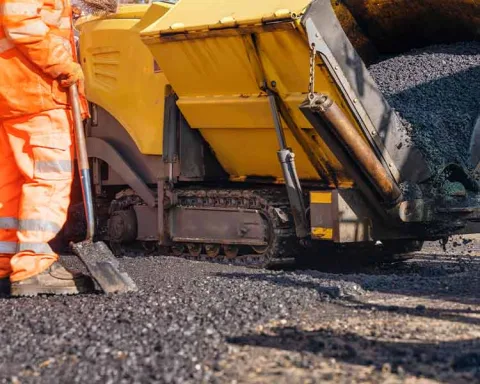
Surface Dressing in East Sussex
Tar and chip surface dressing for sound private roads, long drives and access routes that need a renewed wearing surface.
Learn more →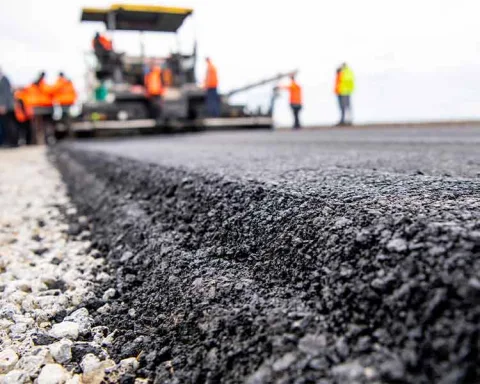
Tarmac & Asphalt in East Sussex
Tarmac and asphalt laid for driveways, private roads, parking areas and working yards, with preparation matched to the traffic.
Learn more →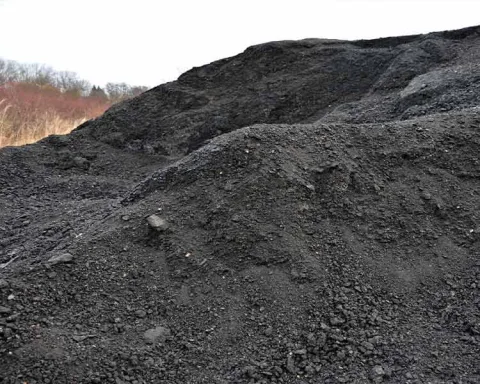
Road Planings in East Sussex
Reclaimed road planings laid and compacted for suitable tracks and hardstanding, with the material and ground assessed before use.
Learn more →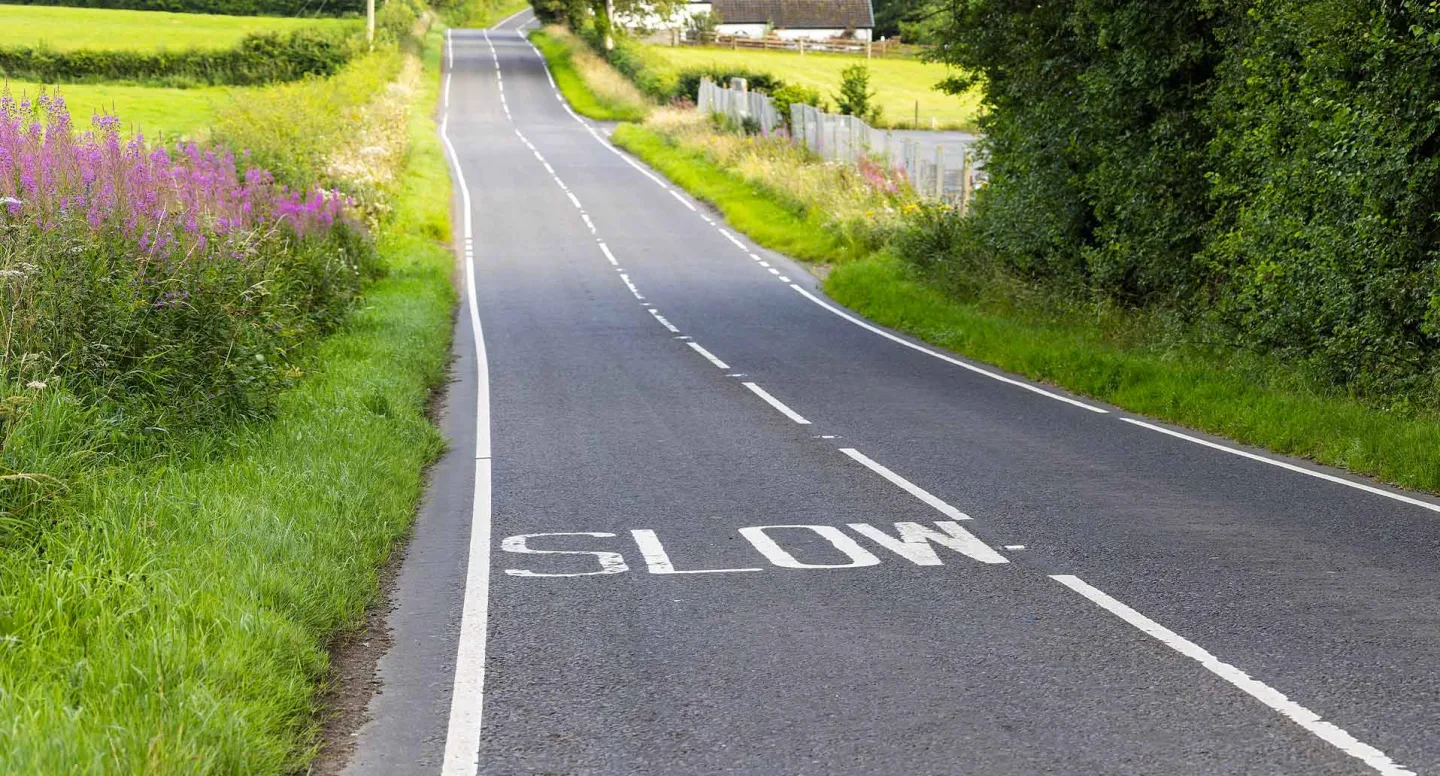
Rural & Farm Access in East Sussex
Surfacing for farms, estates, equestrian yards and rural businesses, planned around a working site.
Learn more →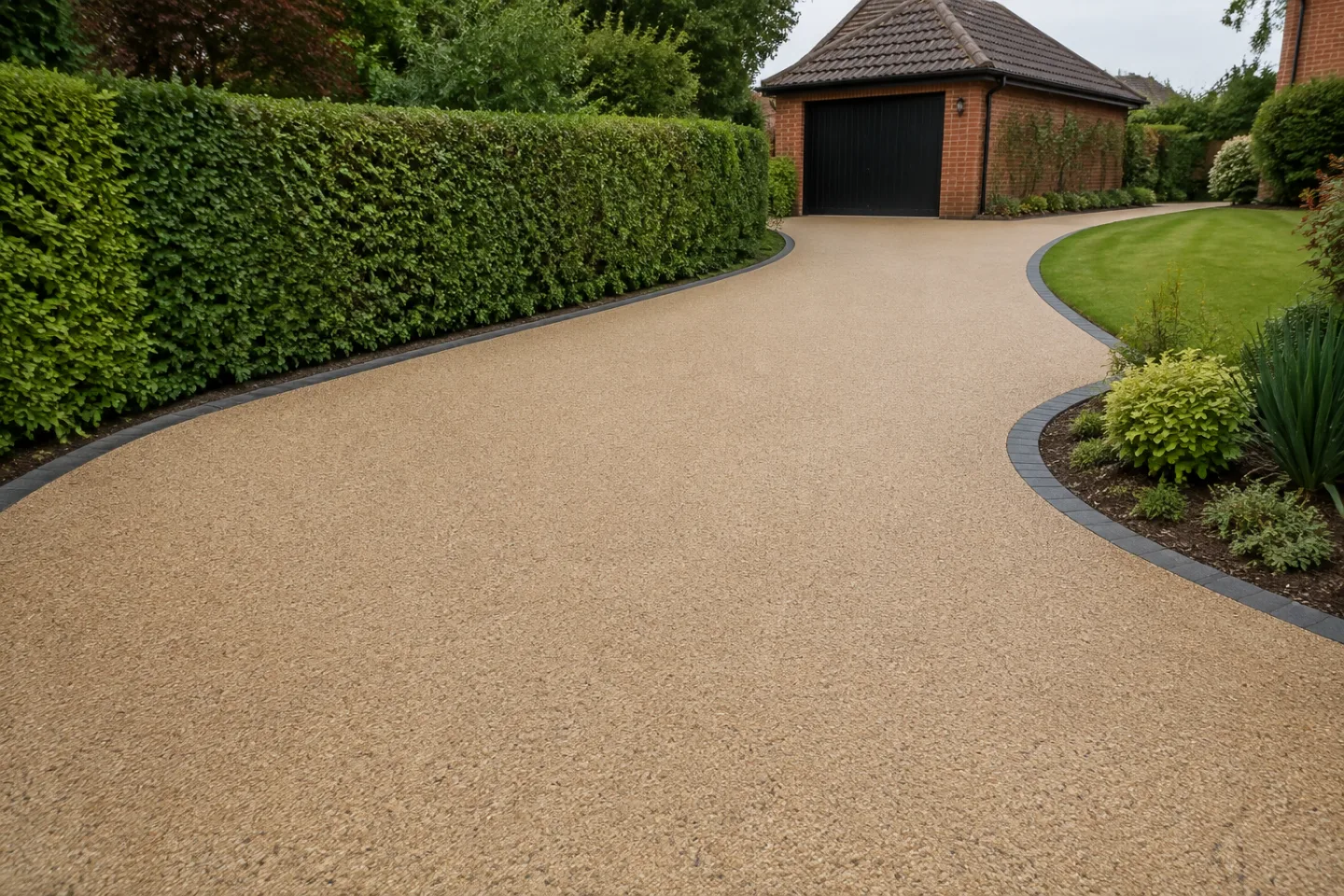
Resin Driveways in East Sussex
Resin driveway installation with the base, drainage, edges and intended vehicle use considered alongside the finished appearance.
Learn more →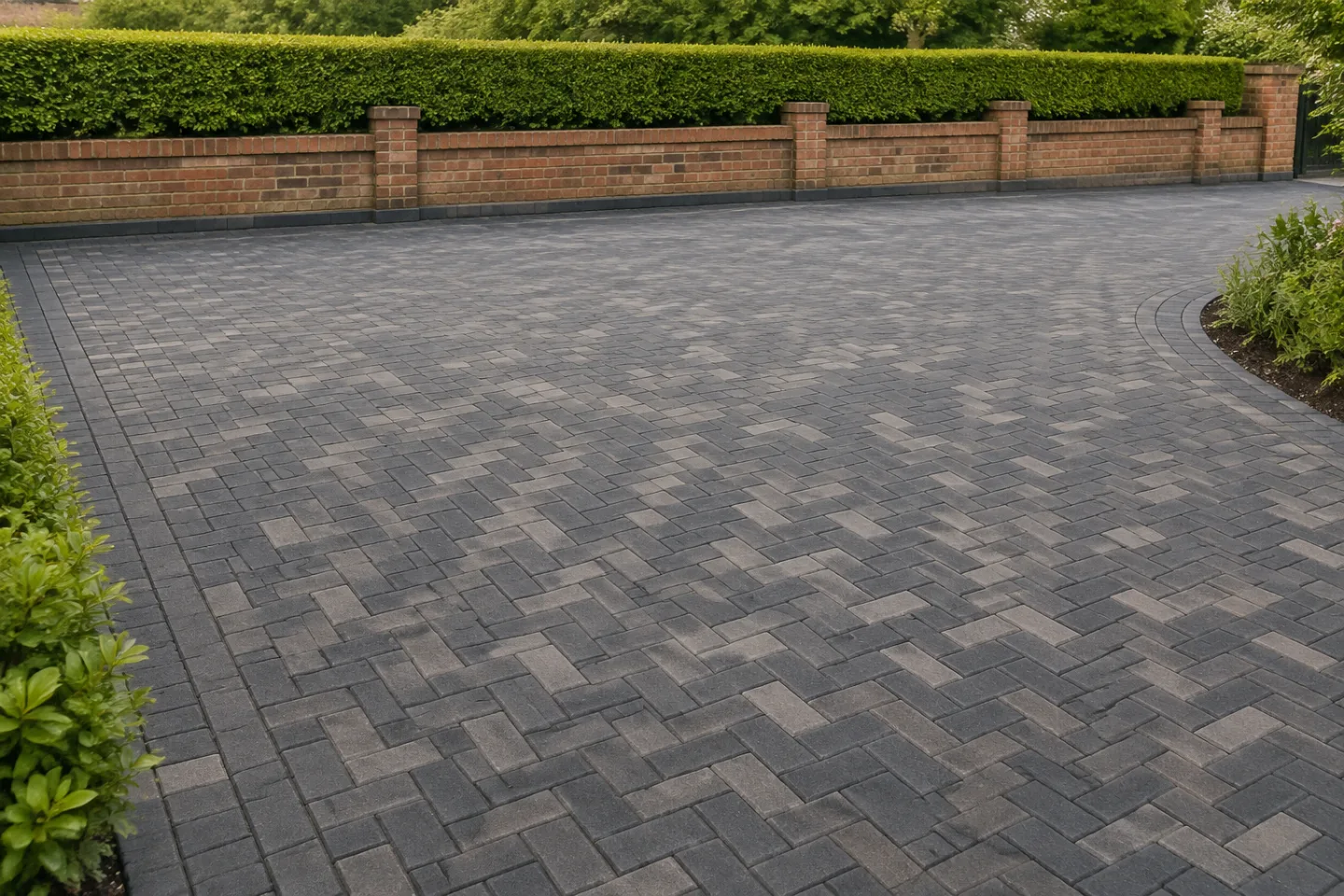
Block Paving in East Sussex
Block paving laid for driveways, entrances and parking areas, with the layout and supporting construction designed around daily use.
Learn more →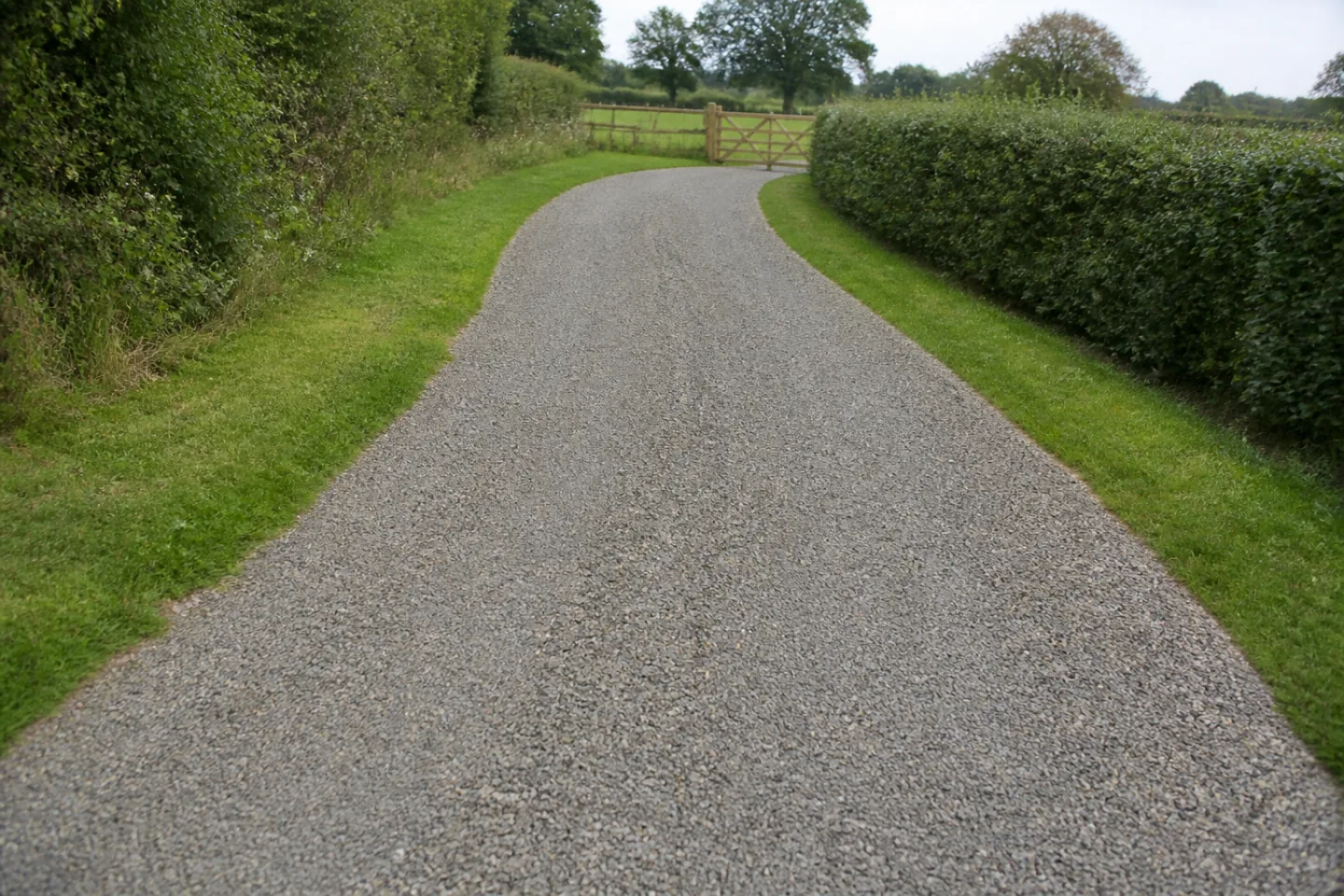
Recycled Material Surfacing in East Sussex
Recycled materials laid for suitable access routes and hardstanding, selected for their role in the finished construction.
Learn more →Our work
Jobs near East Sussex
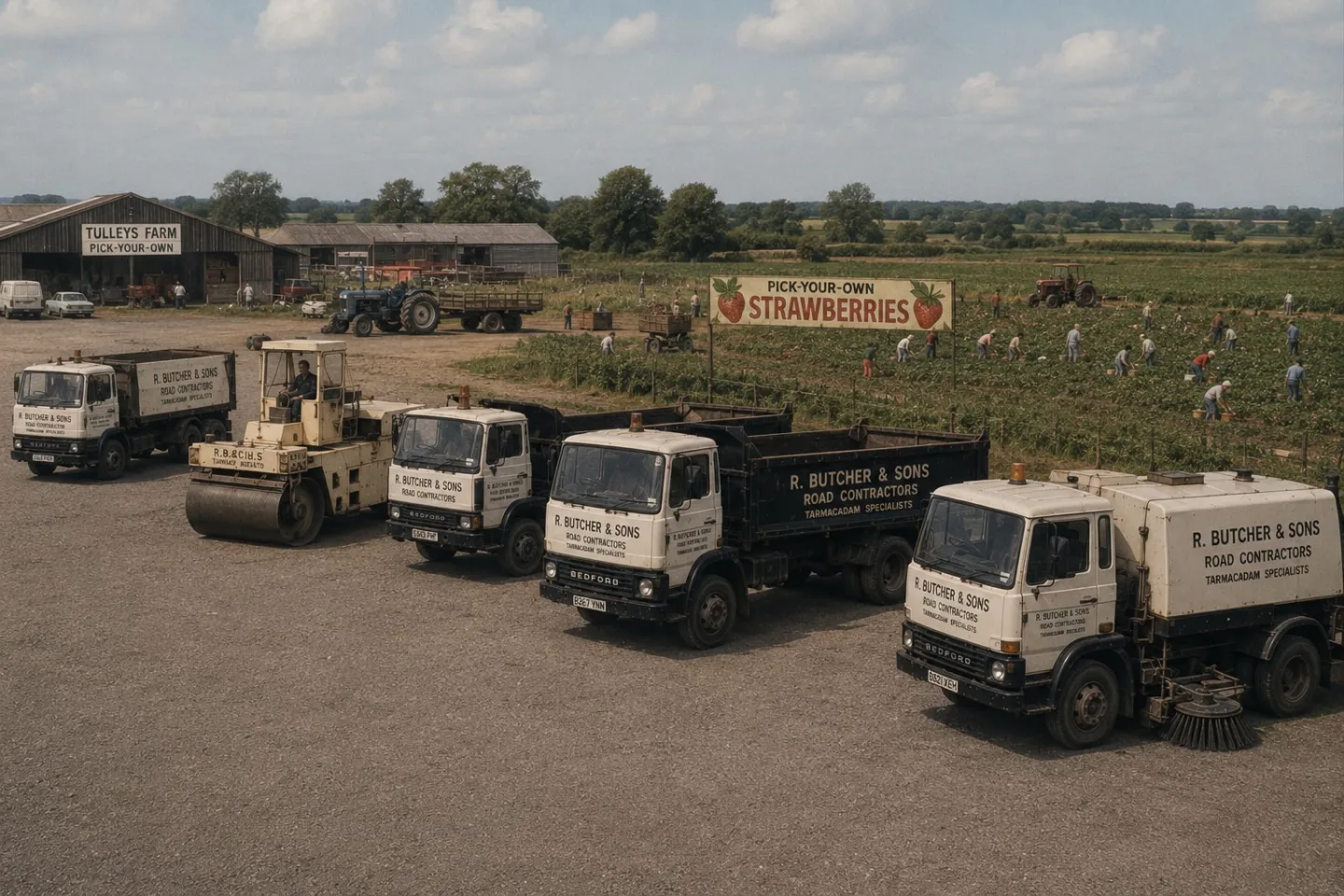
Every photograph here is Laymac's own, taken on the job.
What people say
In their words, not ours
After speaking with a few of laymacs references we decided to go with Robert as his approach and professional advice went a long way with me.
Had my driveway done by laymac ltd done a wonderful job got the job completed on time always kept the site clean and tidy staff well Mannered and friendly
Fantastic professional company stuck to their word and got the job done efficiently and quick thanks very much for your service
Before you ring
Surfacing in East Sussex: your questions
Which East Sussex areas do you work in?
We cover the county from Horsham, including Uckfield, Heathfield, Crowborough and Lewes and the rural areas around them. We travel to the site to survey it.
Material keeps washing down our sloping track. What fixes that?
Usually drainage rather than more material. A track on a gradient needs a camber or crossfall, cross drains at the low points and somewhere for that water to go. Adding a fresh topping without those will wash again.
Can you work on a farm without closing the access?
Yes. We agree the phasing before starting so collections, deliveries and stock movements can carry on. It is the normal way we run rural jobs.
Is a stone track better than tarmac for a rural approach?
Often, on an estate or in open country. Stone carries heavy machinery, can be topped up rather than replaced and suits the setting. Tarmac makes more sense where the run is used constantly by cars or needs a sealed, easily swept surface.
Nearby
Towns either side of East Sussex
- Alton
- Billingshurst
- Blandford Forum
- Burgess Hill
- Chichester
- Cranleigh
- Crawley
- Crowborough
- Dorking
- Dorset
- East Grinstead
- Farnham
- Guildford
- Hampshire
- Haywards Heath
- Heathfield
- Horsham
- Lewes
- Midhurst
- Partridge Green
- Petersfield
- Petworth
- Reigate
- Ringwood
- Shaftesbury
- Sherborne
- Southwater
- Storrington
- Surrey
- Uckfield
- West Sussex
- Wimborne
- Winchester
West Sussex · Surrey · East Sussex · Hampshire
Get a straight answer today
Give us a ring. If nobody picks up we are on a job, so leave a message and you will get a call back.