Where we work
Surfacing contractors in Hampshire
Laymac Ltd covers Hampshire and the villages around it. Tell us what needs doing and we will come and look at it.
Hampshire separates into downland, river valleys, heath and coast, and those differences are real enough to change what goes under a surface. Chalk runs through Winchester and Alton, greensand and Downs meet around Petersfield, and the gravel and heathland of the New Forest edge lies out west towards Ringwood. We arrange Hampshire work from our Horsham base, and the survey settles the depth, the drainage arrangement and the plant access that a postcode on its own cannot.
Chalk, gravel and heath
On the chalk around Winchester and Alton the formation is usually firm and drains reasonably, which sounds like an easy job and often is. The complications are elsewhere: gradients on the downland approaches, thresholds and channels where a drive meets a building, and older entrances where levels have been built up over the years until water runs the wrong way. Getting the falls right matters more here than piling on depth.
Out towards the New Forest edge around Ringwood the ground changes to sand, gravel and heath, with valley gravels along the river. Free-draining ground is helpful, but loose material needs proper compaction and firm edge restraint or the surface will spread and the edges will break away. Low-lying plots near ditches and watercourses need the runoff route established before levels are raised. Where greensand and clay come in, around Petersfield and in the vales, water is held rather than let away and the sub-base and drainage have to do the work. We inspect the surface and its surroundings, including ditches, low edges and planted boundaries, before we specify anything.
The customers Hampshire brings
Estates and farms across the downland account for a good share: access roads, yards, gateways and long approach drives, along with equestrian yards where grip and footing matter as much as load. Private and estate roads are common, often shared between several houses and maintained by nobody in particular until a decision has to be made. Business parks, commercial yards and light industrial units need surfaces that cope with loaded vehicles braking and turning in the same place daily. Near the New Forest edge, tourism and holiday sites bring their own requirements, with public parking, wet-weather access and an approach ordinary cars can use without grounding. Domestic driveways in and around Winchester, Alton, Petersfield and Ringwood make up the rest, in tarmac, resin and block paving.
Specifying remote work before materials arrive
Hampshire is the far end of our patch, so the planning is done properly before anything is booked. We agree delivery access, where a lorry can stand, the work sequence and the phasing at survey stage, then put the construction in writing as a fixed price with the layers set out. That is how a job at distance stays on programme.
Method depends on the area rather than the address. Open yards, car parks and long drives get machine-laid asphalt and tarmac, which gives even thickness and compaction and fewer joins. Confined entrances, awkward shapes, steps and the ground around covers and gullies get hand lay surfacing instead. For farm and estate access, road planings laid and compacted onto prepared ground can be a practical construction where the material source and grading are known, and stone tracks remain the sensible answer on parkland and field access. Block paving suits entrances where appearance leads, with edge restraint and drainage designed as structure, not decoration. As surfacing contractors we would rather tell you a dressing or a patch repair will hold than sell a rebuild that is not needed.
Choosing a surface in Hampshire
We carry out tarmac and asphalt, surface dressing, road surfacing, resin and block paving, alongside road planings, stone tracks, recycled materials and groundworks. The guides below explain what each needs underneath and where the material stops being appropriate.
- Tarmac surfacing in Hampshire
- Surface dressing in Hampshire
- Road planings in Hampshire
- Resin driveways in Hampshire
- Block paving in Hampshire
- Recycled surfacing in Hampshire
Preparing for a site assessment
Send the address, the approximate area or route length and photographs of the whole entrance or run. Tell us about restricted access, planned utility or building work and the heaviest vehicle that will use the surface, because it is far cheaper to coordinate those before the finished levels are fixed. We bring over 60 years of family experience to the assessment and put the result in writing.
What we do
Our work in Hampshire
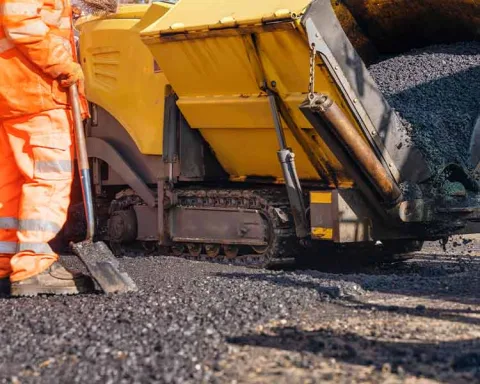
Surface Dressing in Hampshire
Tar and chip surface dressing for sound private roads, long drives and access routes that need a renewed wearing surface.
Learn more →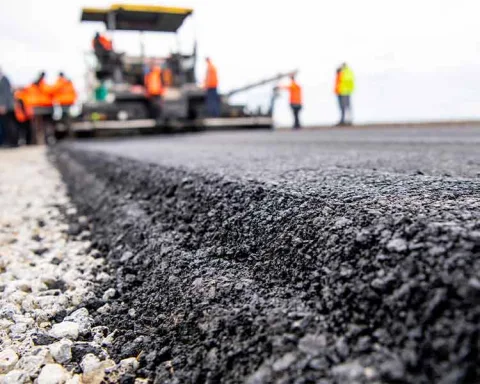
Tarmac & Asphalt in Hampshire
Tarmac and asphalt laid for driveways, private roads, parking areas and working yards, with preparation matched to the traffic.
Learn more →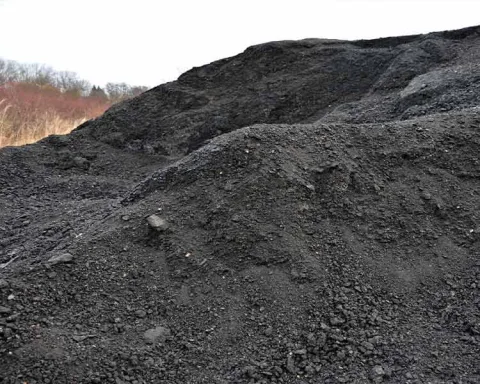
Road Planings in Hampshire
Reclaimed road planings laid and compacted for suitable tracks and hardstanding, with the material and ground assessed before use.
Learn more →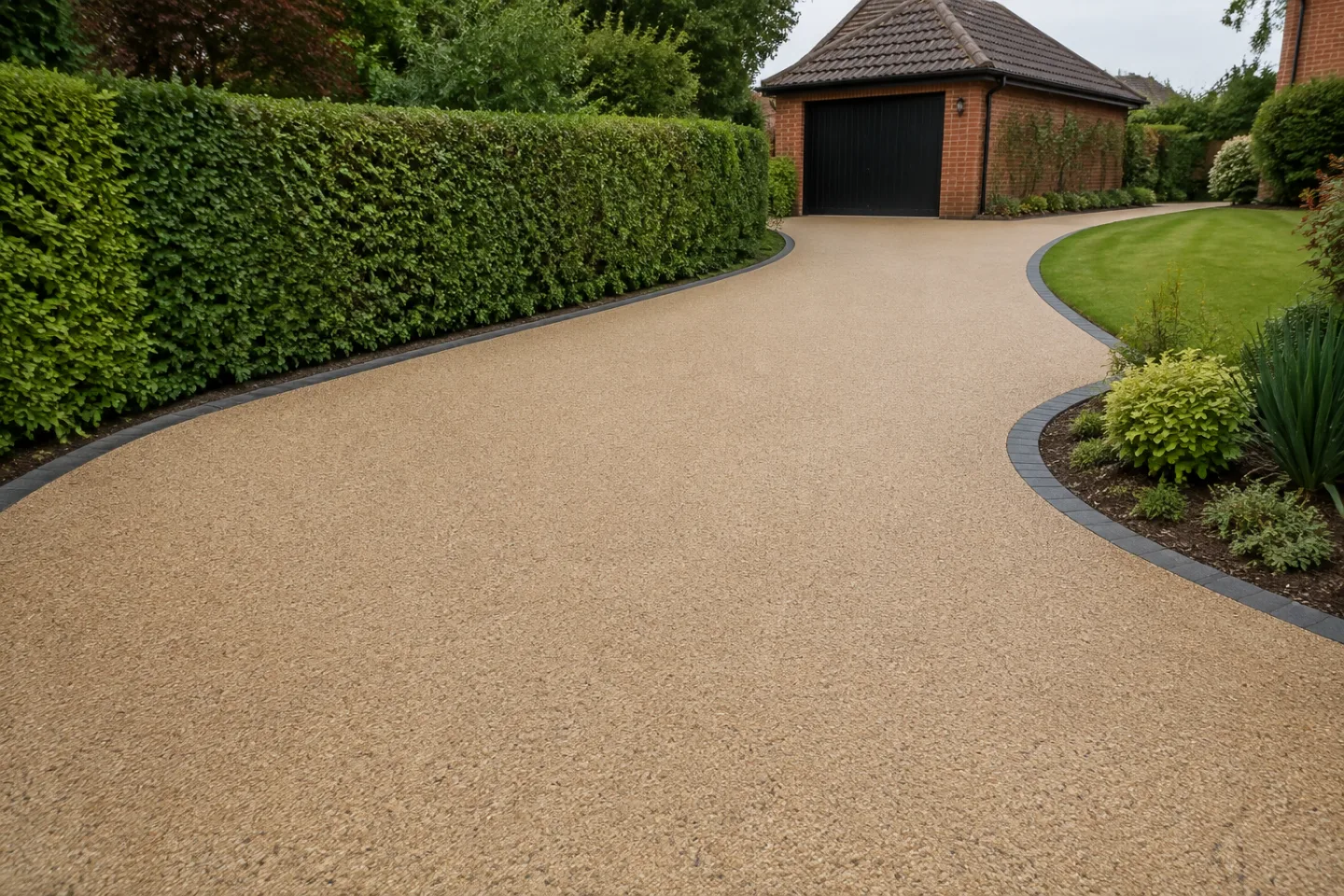
Resin Driveways in Hampshire
Resin driveway installation with the base, drainage, edges and intended vehicle use considered alongside the finished appearance.
Learn more →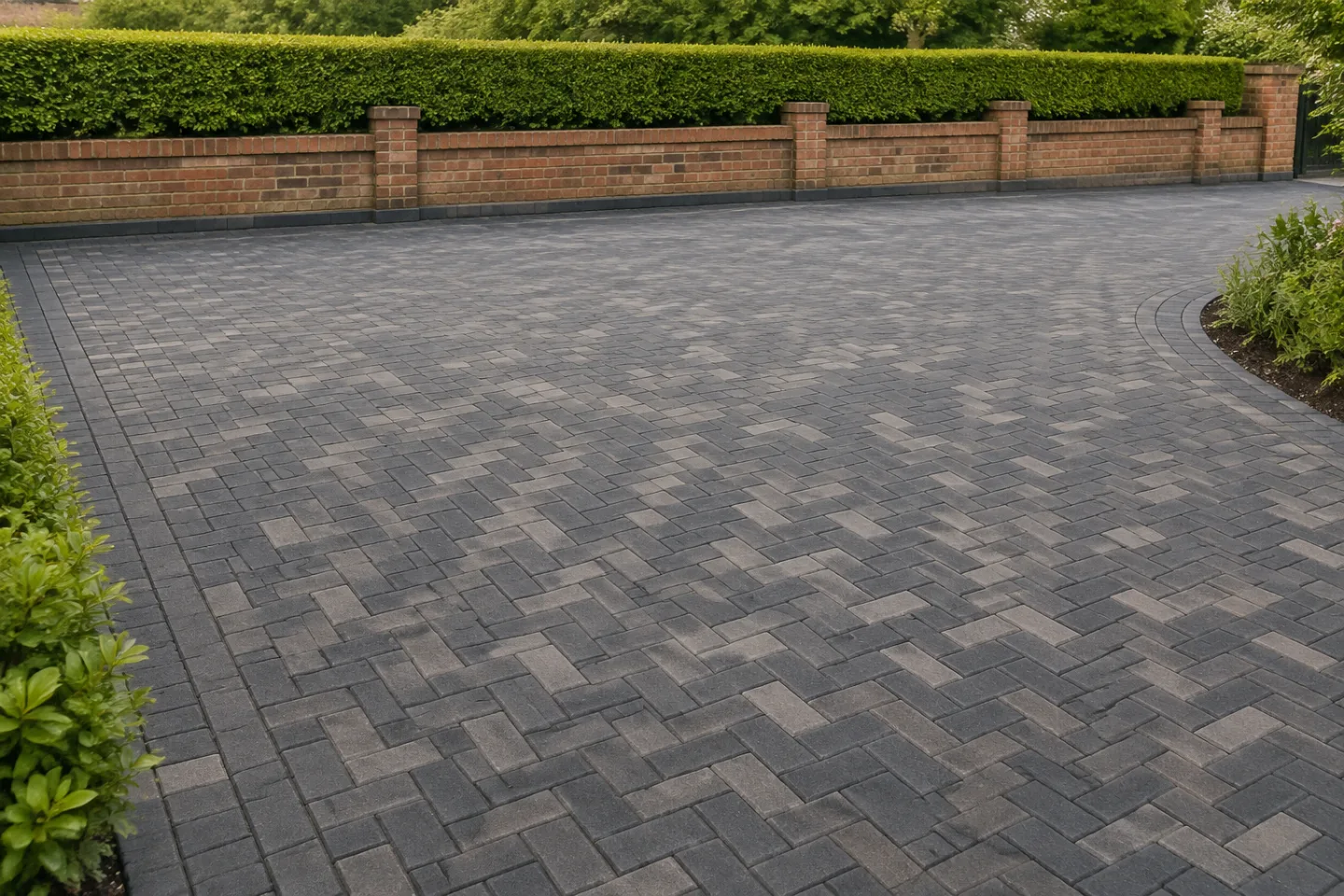
Block Paving in Hampshire
Block paving laid for driveways, entrances and parking areas, with the layout and supporting construction designed around daily use.
Learn more →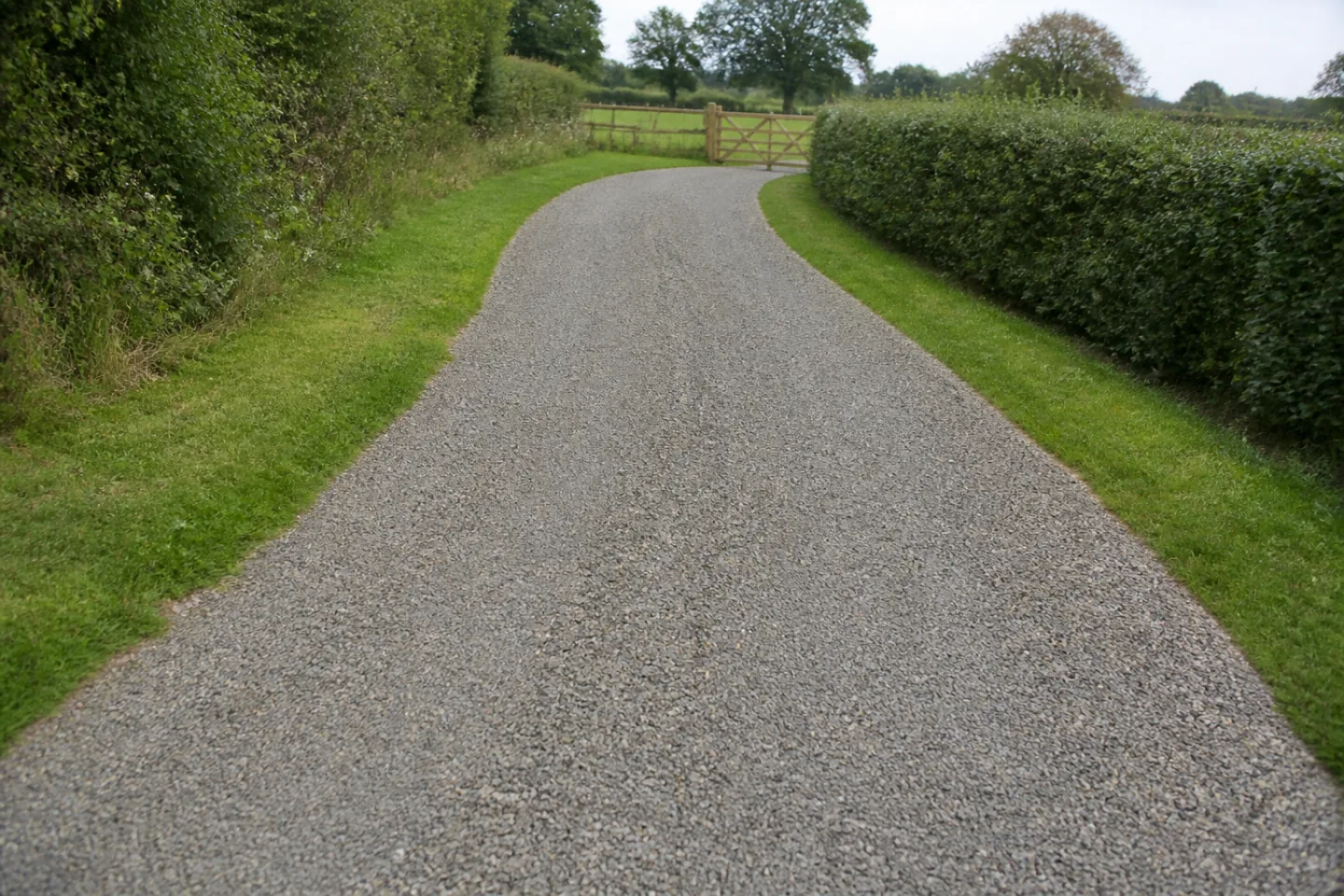
Recycled Material Surfacing in Hampshire
Recycled materials laid for suitable access routes and hardstanding, selected for their role in the finished construction.
Learn more →Our work
Jobs near Hampshire
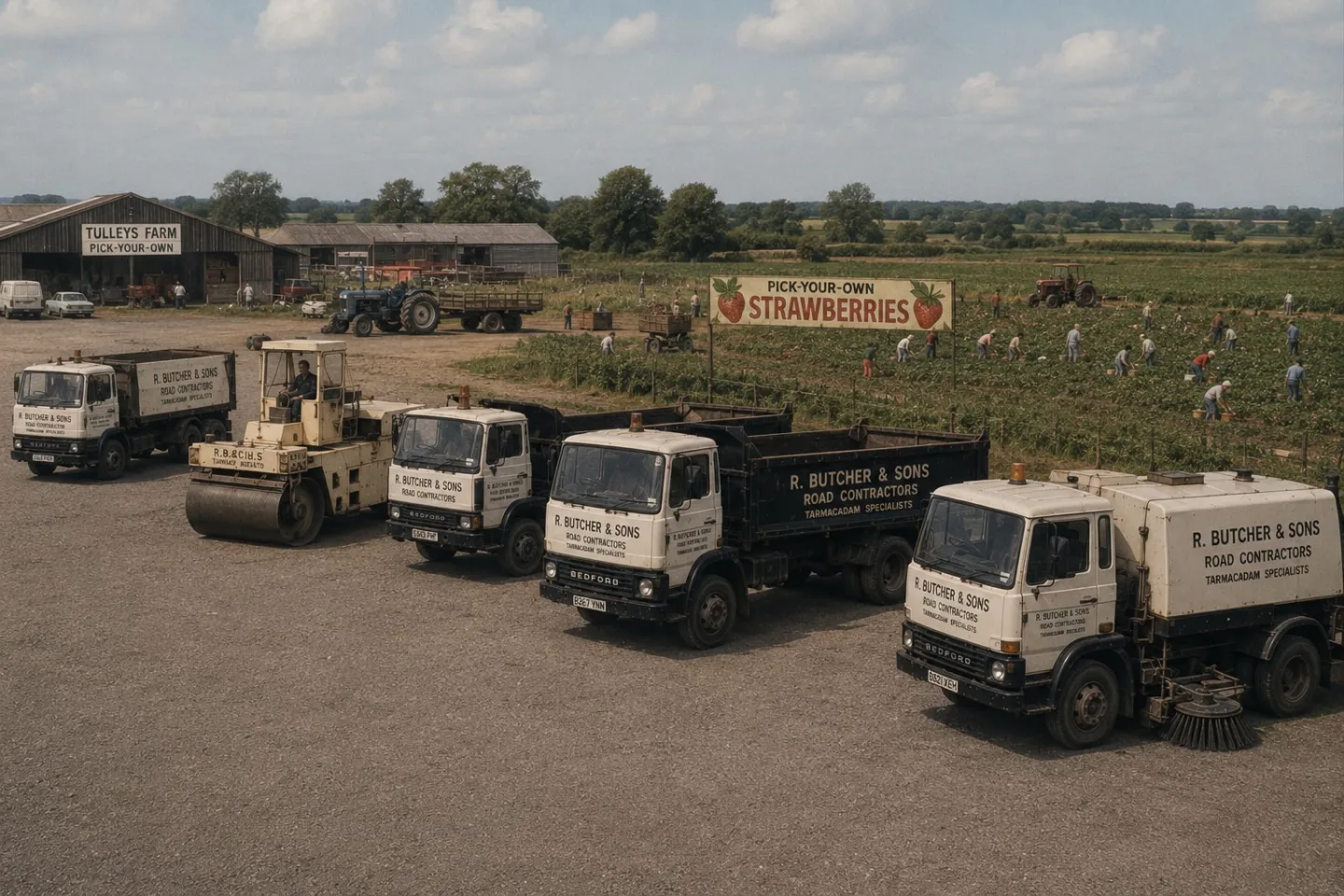
Every photograph here is Laymac's own, taken on the job.
What people say
In their words, not ours
After speaking with a few of laymacs references we decided to go with Robert as his approach and professional advice went a long way with me.
Had my driveway done by laymac ltd done a wonderful job got the job completed on time always kept the site clean and tidy staff well Mannered and friendly
Fantastic professional company stuck to their word and got the job done efficiently and quick thanks very much for your service
Before you ring
Surfacing in Hampshire: your questions
Where in Hampshire do you work?
Across the county from our Horsham base, including Winchester, Alton, Petersfield and Ringwood. We travel out to survey the site before quoting.
Is chalk ground easier to surface than clay?
Usually it gives a firmer, better draining formation. The work then turns on gradients, thresholds and getting the falls right, because a drive on the downland can shed water straight back towards a building if the levels are wrong.
Does sandy, free-draining ground still need a sub-base?
Yes. Drainage is only half the problem. Loose sand and gravel need proper compaction and firm edge restraint, or the surface spreads and the edges break away regardless of how well the ground drains.
How do you arrange a Hampshire job from Horsham?
We survey the site, agree the access, deliveries and phasing, and issue a written fixed price with the construction set out. Nothing is ordered until that is settled, which is what keeps a job at distance running to programme.
Nearby
Towns either side of Hampshire
- Alton
- Billingshurst
- Blandford Forum
- Burgess Hill
- Chichester
- Cranleigh
- Crawley
- Crowborough
- Dorking
- Dorset
- East Grinstead
- East Sussex
- Farnham
- Guildford
- Haywards Heath
- Heathfield
- Horsham
- Lewes
- Midhurst
- Partridge Green
- Petersfield
- Petworth
- Reigate
- Ringwood
- Shaftesbury
- Sherborne
- Southwater
- Storrington
- Surrey
- Uckfield
- West Sussex
- Wimborne
- Winchester
West Sussex · Surrey · East Sussex · Hampshire
Get a straight answer today
Give us a ring. If nobody picks up we are on a job, so leave a message and you will get a call back.