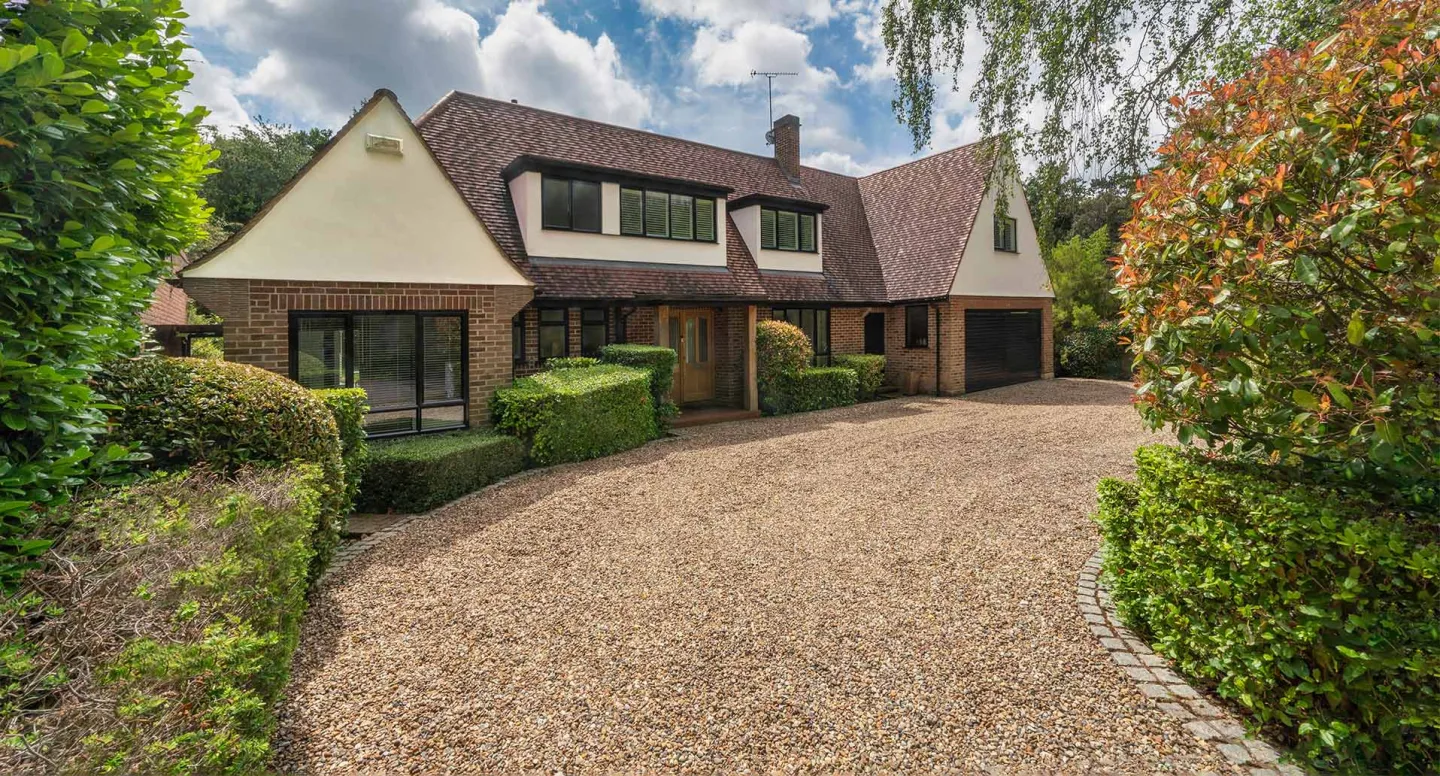
We lay driveways in tarmac, tar and chip, block paving and gravel. Which one is right depends on the property, the budget and what you actually want it to look like in ten years, and we would rather talk that through on site than sell you the one we happen to be laying that week.
What our driveway service includes
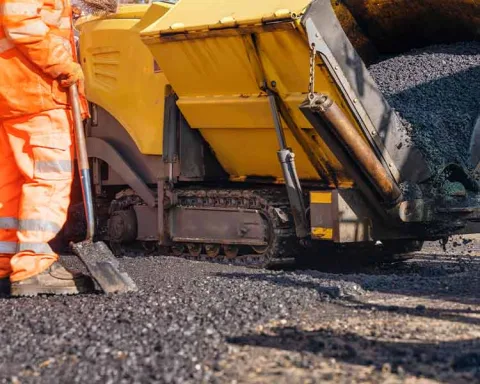
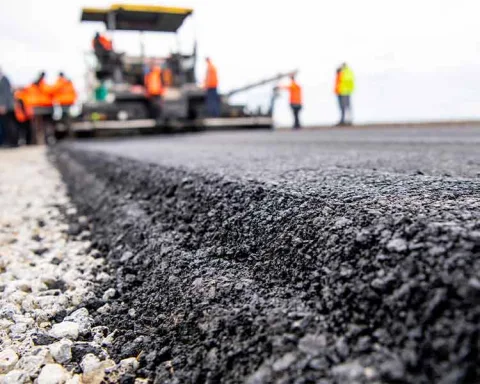
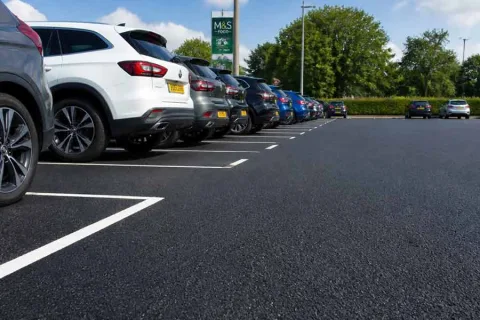
Tarmac driveways
Hard-wearing, quiet underfoot, easy to sweep and clear in winter. The most practical surface for a drive that gets used every day, and the least fuss to maintain.
Tar and chip driveways
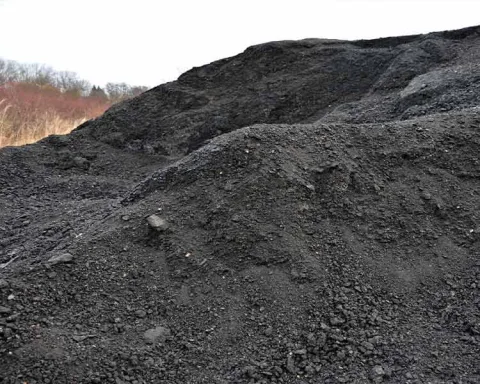
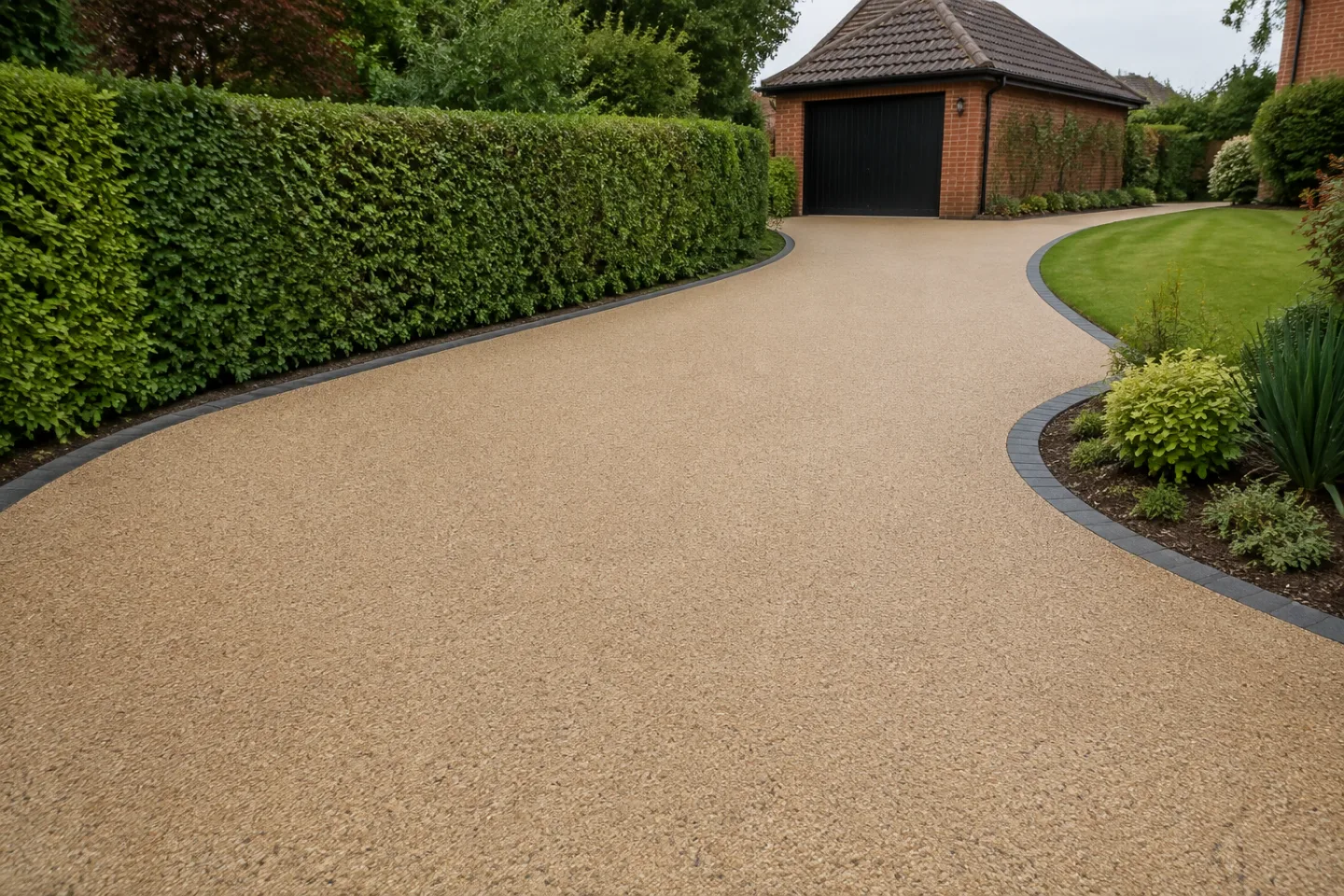
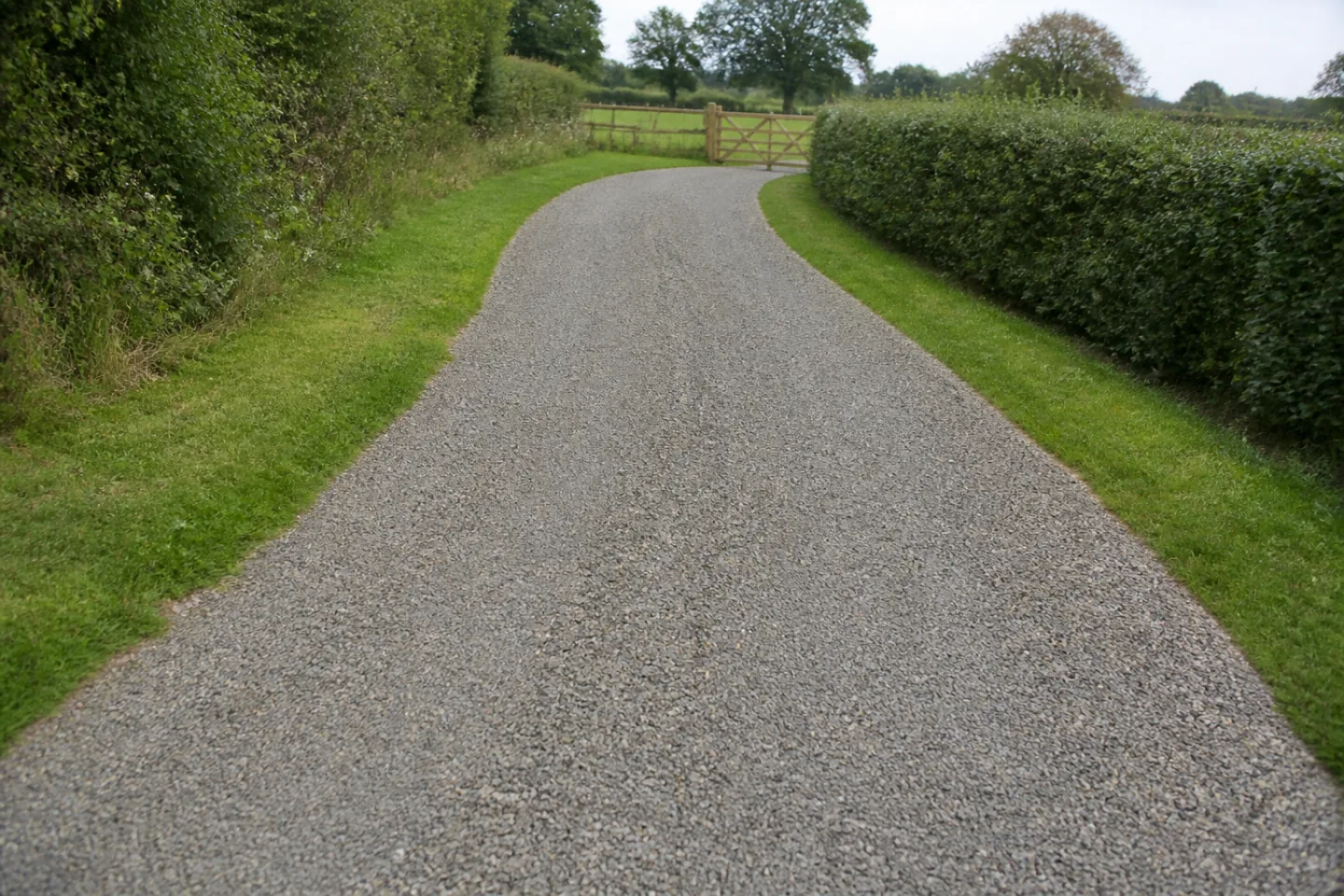
A sealed surface with a natural stone finish. It suits period and rural properties where a sheet of black tarmac would look wrong, and it gives you the practicality of a bound surface with the appearance of gravel.
Block paved driveways
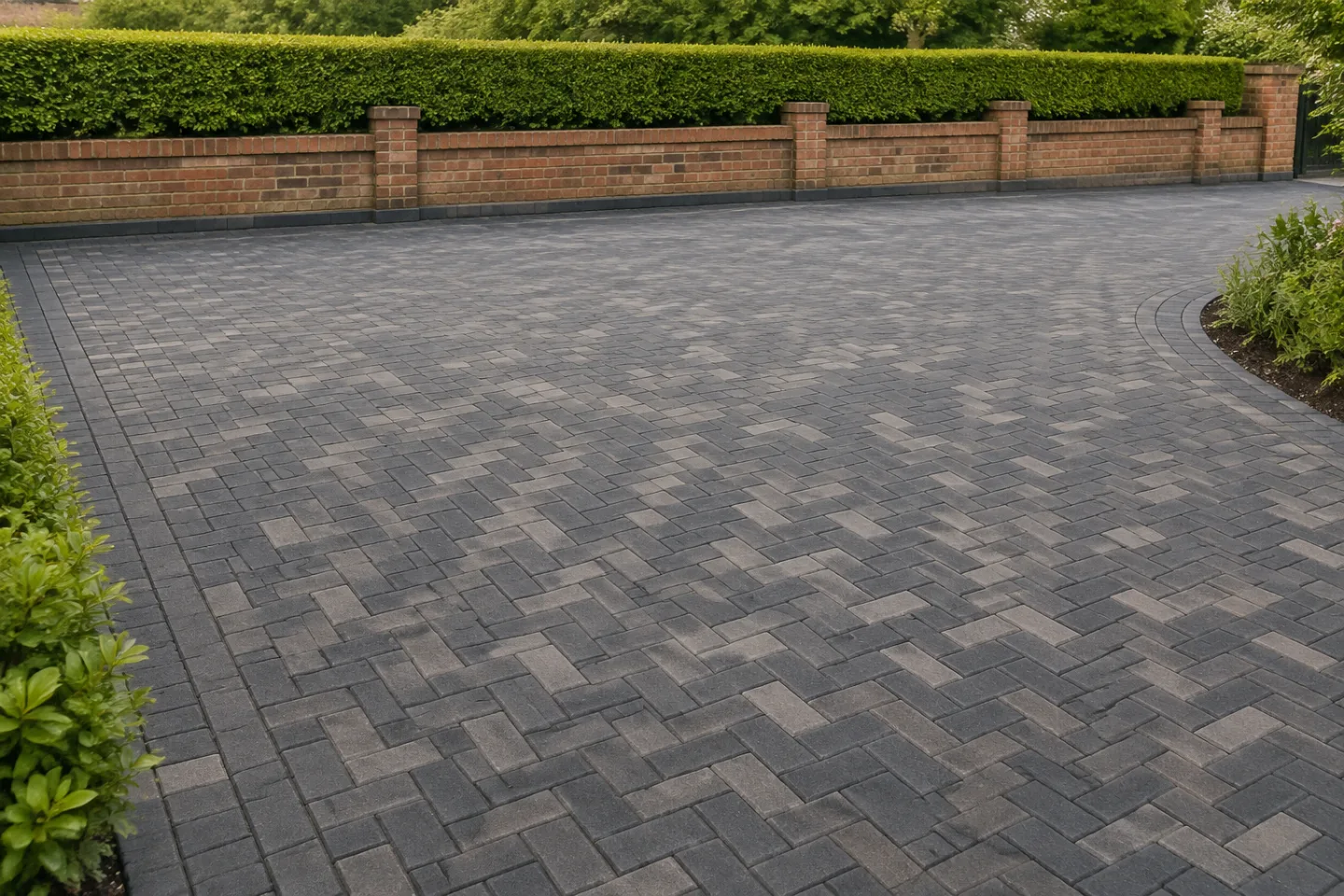
Laid on a compacted base with the edges properly restrained. Block paving lives and dies by its edge restraint and its sub-base, and a drive that sinks in the wheel tracks after two winters was almost always laid straight onto soft ground.
Gravel and resin drives
Loose gravel over a stabilising grid where the look and the budget suit it, or a resin driveway with the chosen system, base preparation and drainage identified in the specification.
How we work
- Visit and measure. We look at the ground, the fall, where the water currently goes and where it will go afterwards.
- Options and a written price. Usually more than one, with the difference explained, so the choice is yours on the facts.
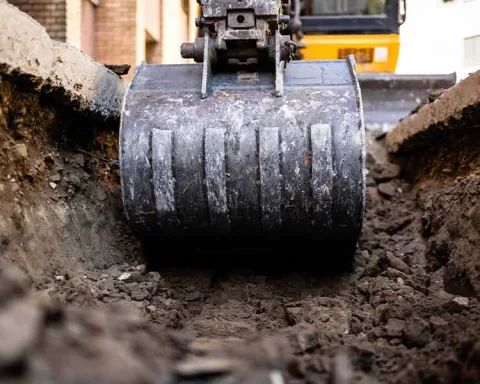
- Dig out and prepare. Excavate to depth, install drainage and edgings, lay and compact the sub-base.
- Lay the surface and clear the site properly before we leave.
Drainage and the rules on run-off
A new driveway should not push its rainwater onto the road or into a neighbour. Depending on the size and the surface, that can mean falling the drive to a soakaway, a channel drain across the entrance, or choosing a surface that lets water through. It is worth getting right at the quoting stage, because it is expensive to fix afterwards and it is the sort of thing that causes arguments.