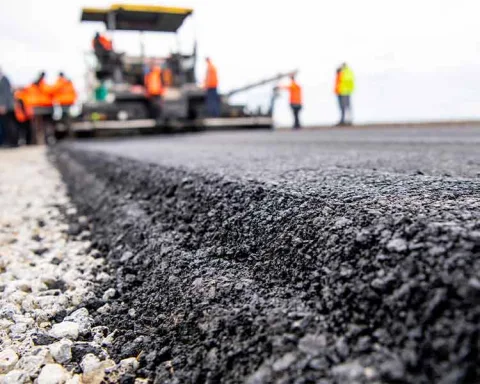
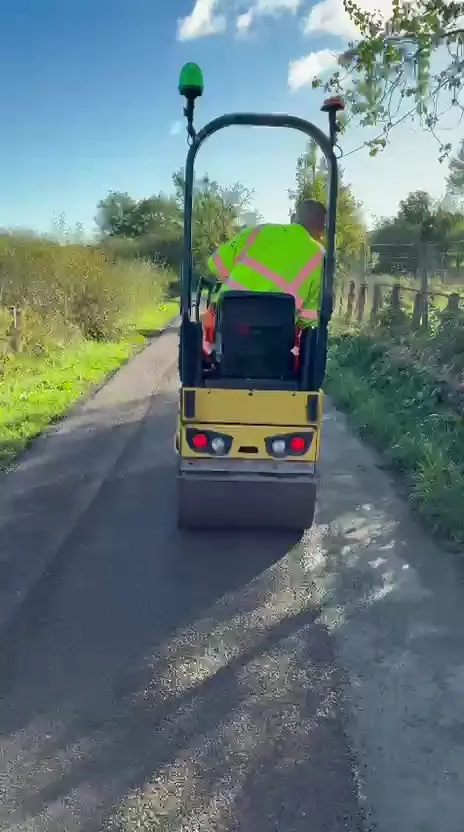
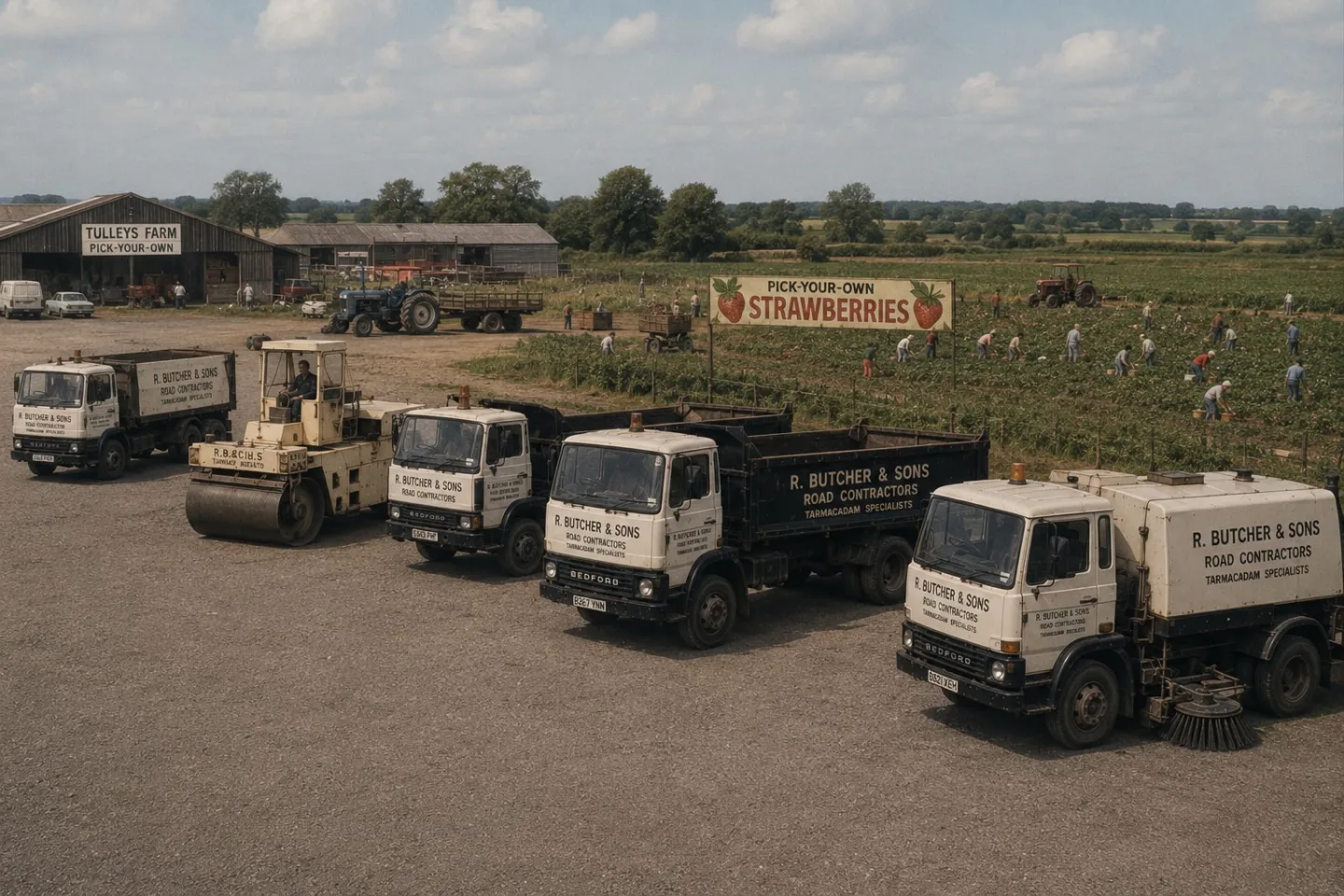
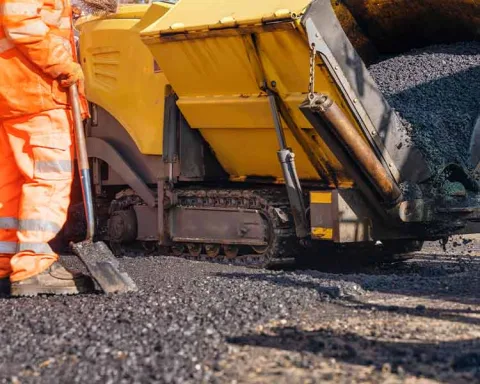
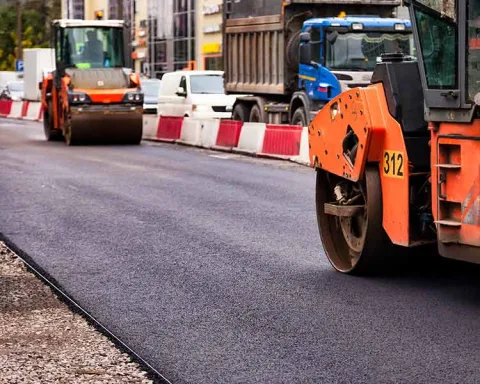
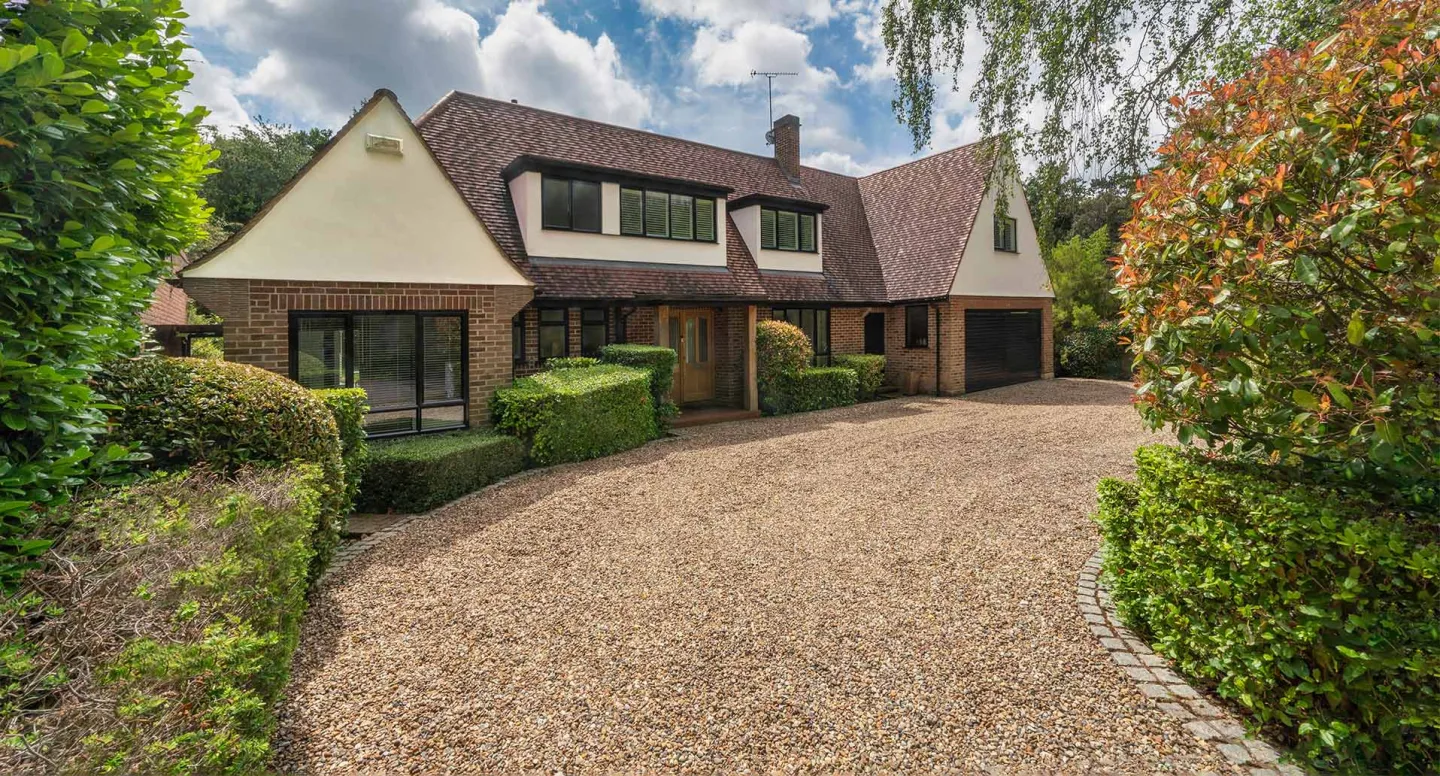
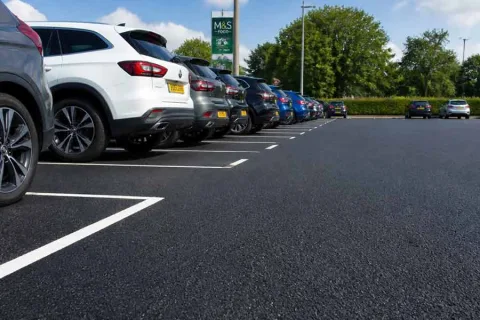
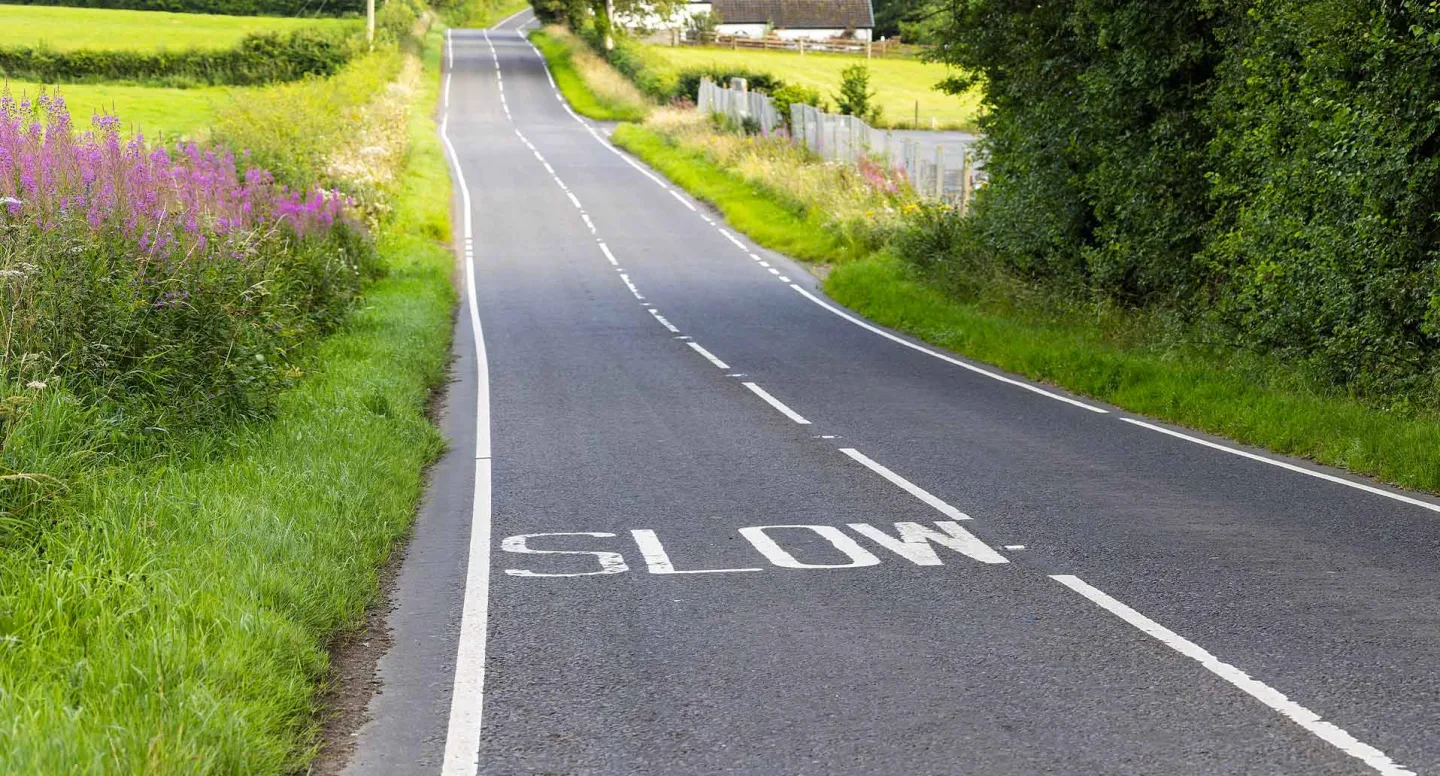
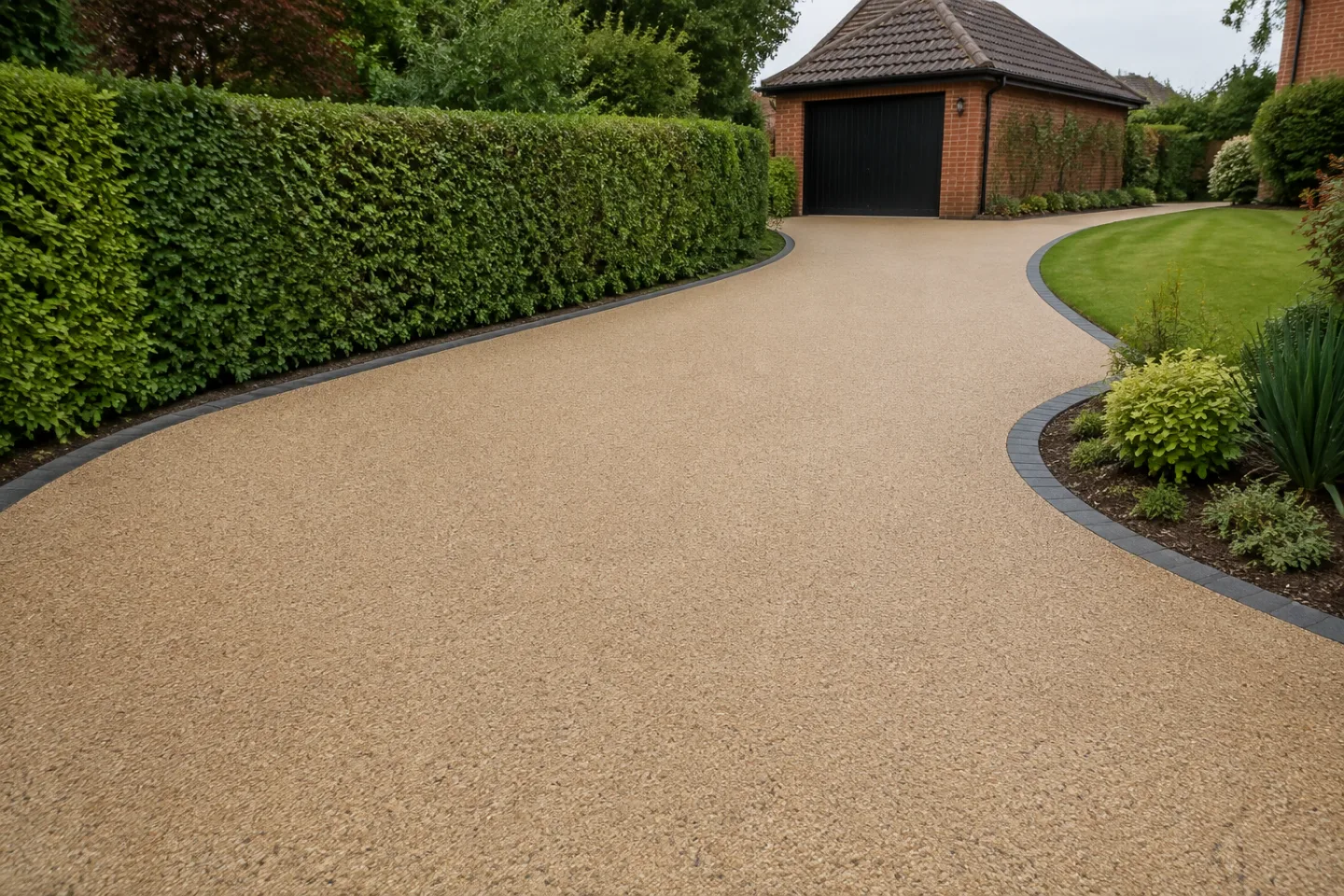
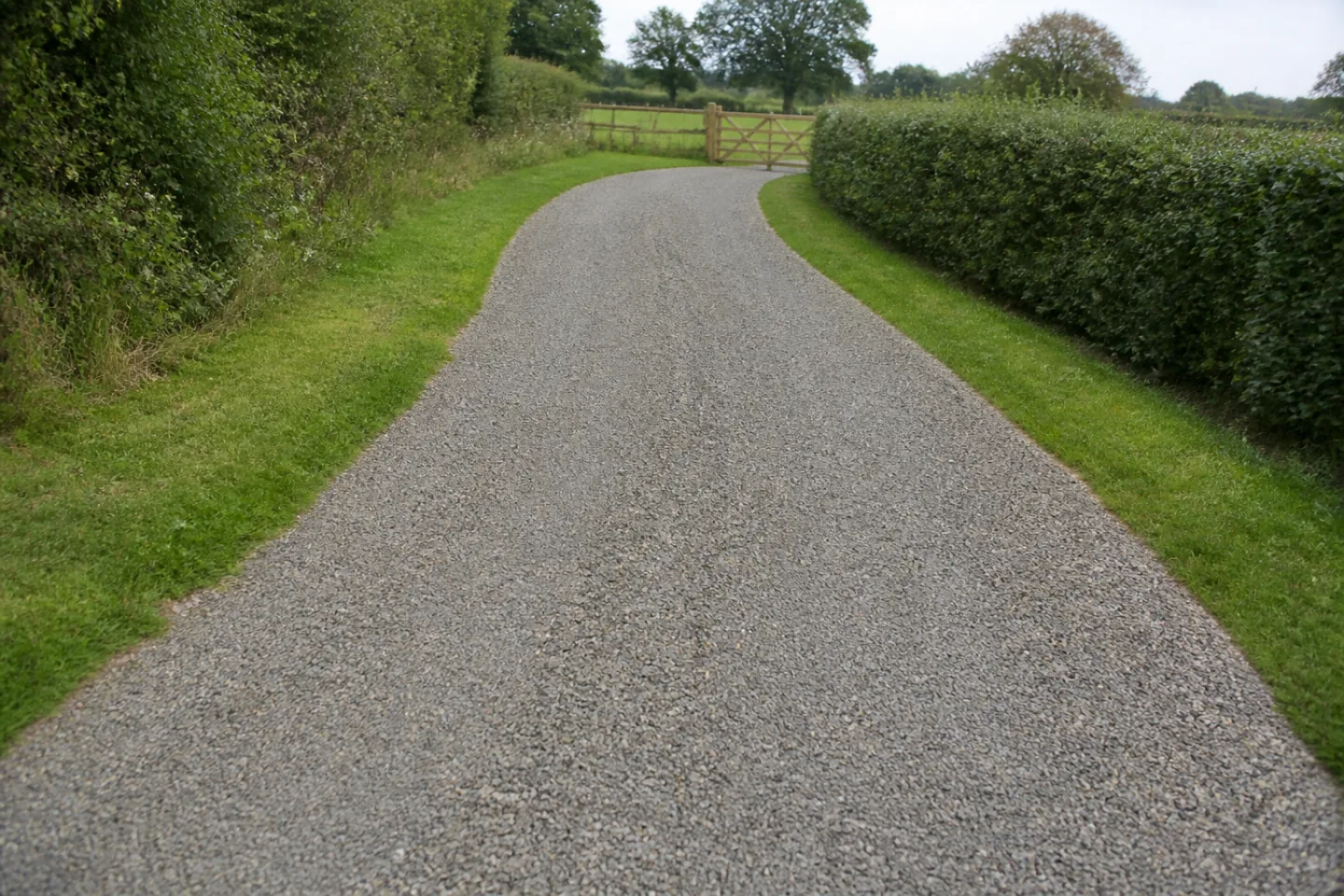
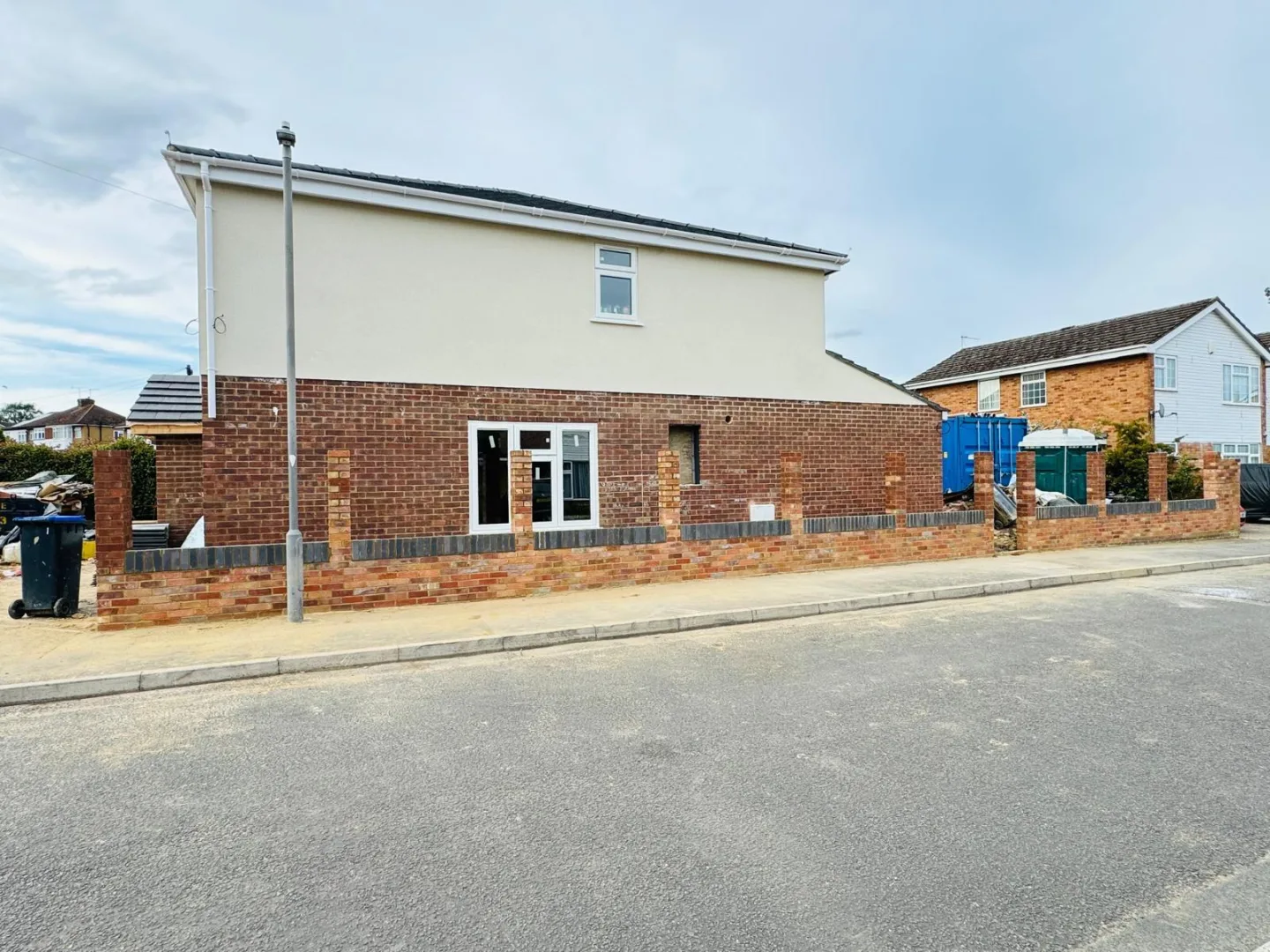
We lay tarmac and asphalt for domestic entrances and vehicle access areas. A tidy finish matters, but the construction below it decides how the surface carries weight. We inspect the existing layers, drainage and edges before recommending an overlay or a full replacement.
Driveways, access roads and hardstanding
A driveway used by cars has different demands from a yard where loaded vehicles brake and turn. We establish the heaviest expected vehicle, including occasional deliveries, rather than designing around an average day. The proposed build-up, finished levels and connections to existing surfaces belong in the written specification.
Resurfacing an existing surface
An overlay can be appropriate where the existing construction is stable and there is room to raise the finish. We check cracks, movement, low areas and thresholds first. Adding asphalt over a weak section does not repair the support beneath it.
New construction and repairs
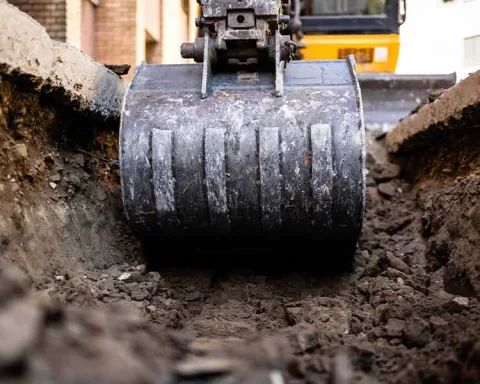
Where excavation is needed, we allow for the ground preparation and supporting layers as part of the job. Local failures may need cutting out and rebuilding before the wider area is surfaced. Edges, channels and covers should be set to the intended finished level.
Planning the work
- Measure the area and discuss vehicles, access and existing defects.
- Agree the construction, drainage arrangements and limits of the work.
- Prepare and compact the supporting layers before laying the asphalt.
- Complete the joins and give instructions for reopening and early use.
Choosing between finishes
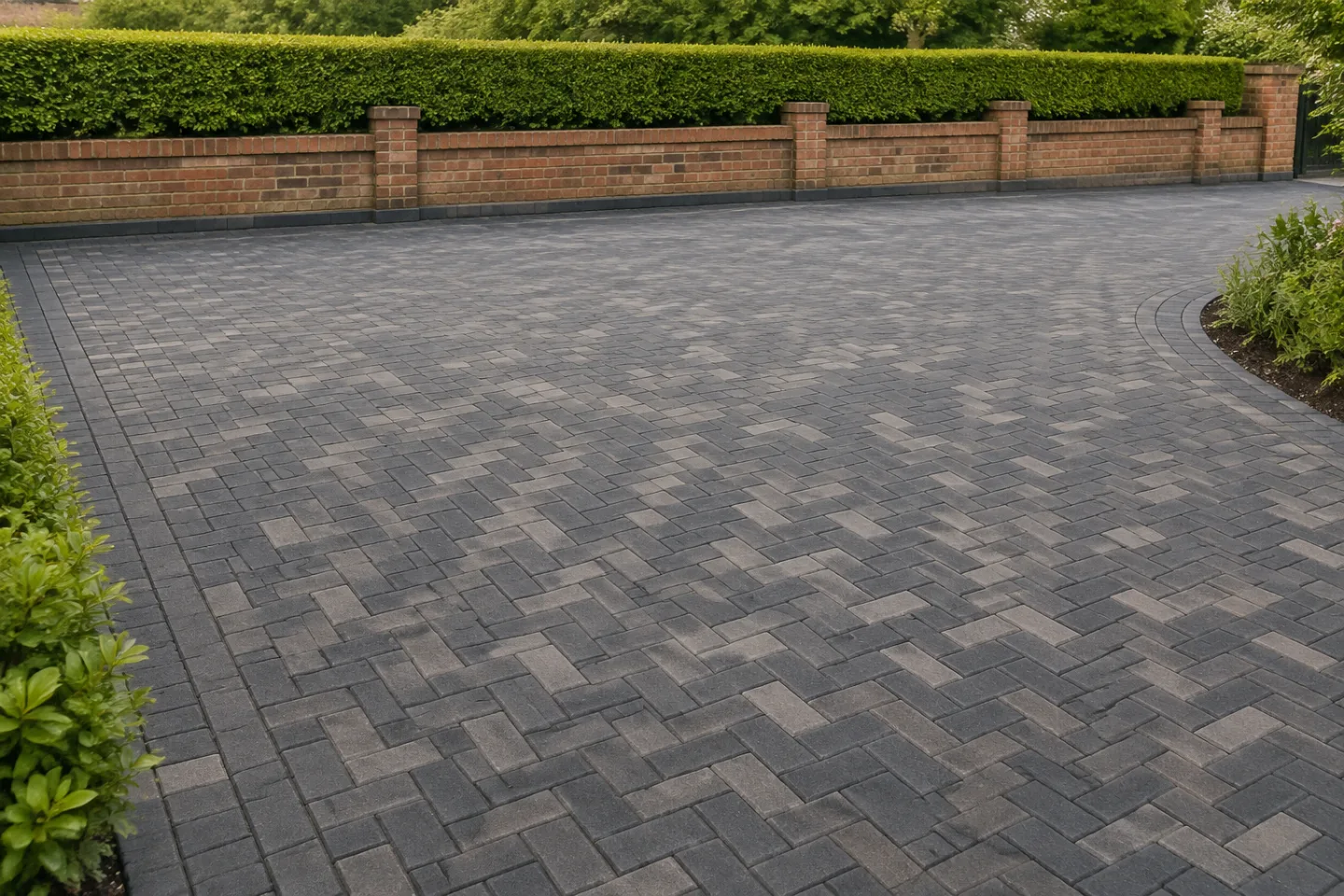
Conventional asphalt sheds water towards a designed outlet; it should not be described as permeable simply because it is new. Where appearance, surface water or a long rural approach changes the brief, we can compare the job with block paving or surface dressing. The comparison should include preparation and maintenance, not just the price of the visible layer.