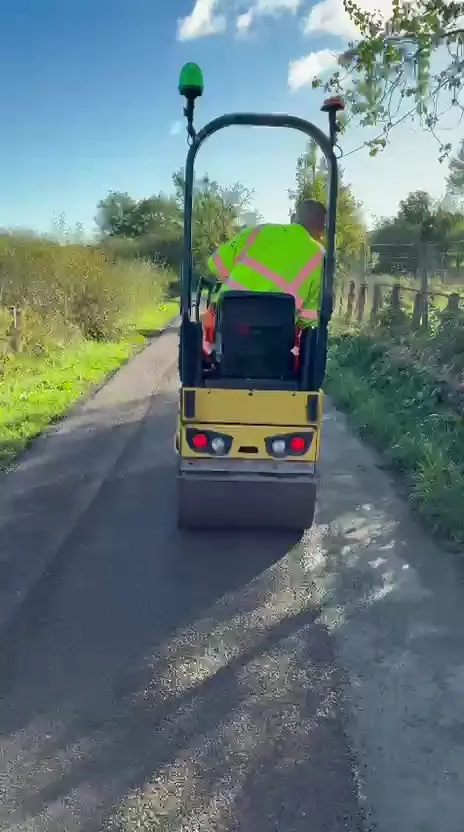
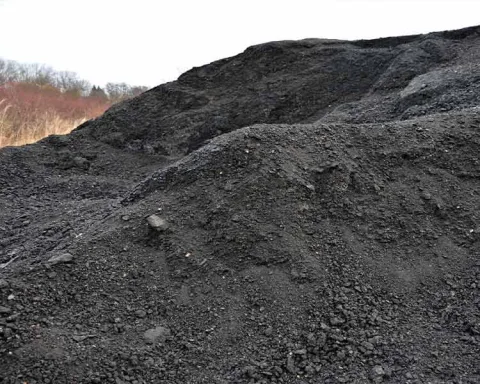
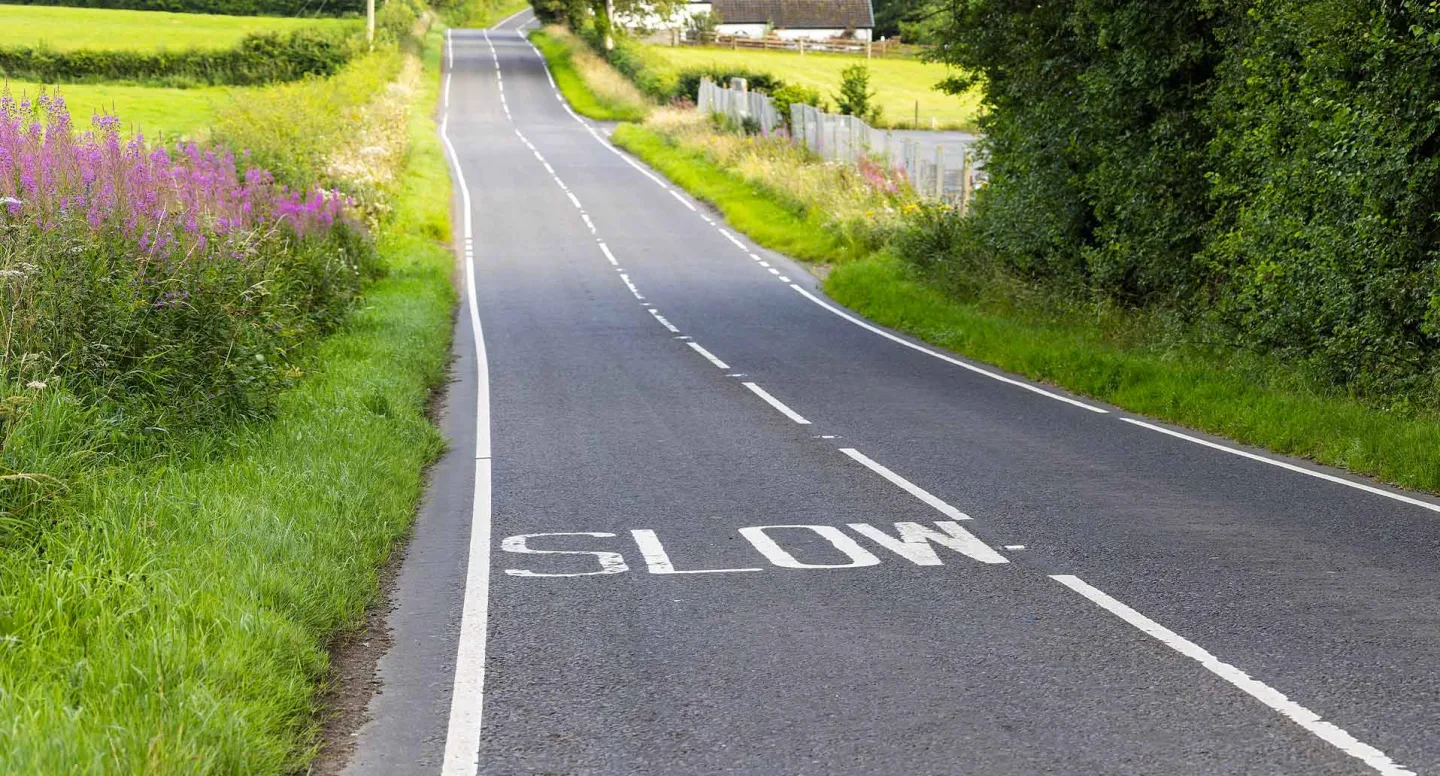
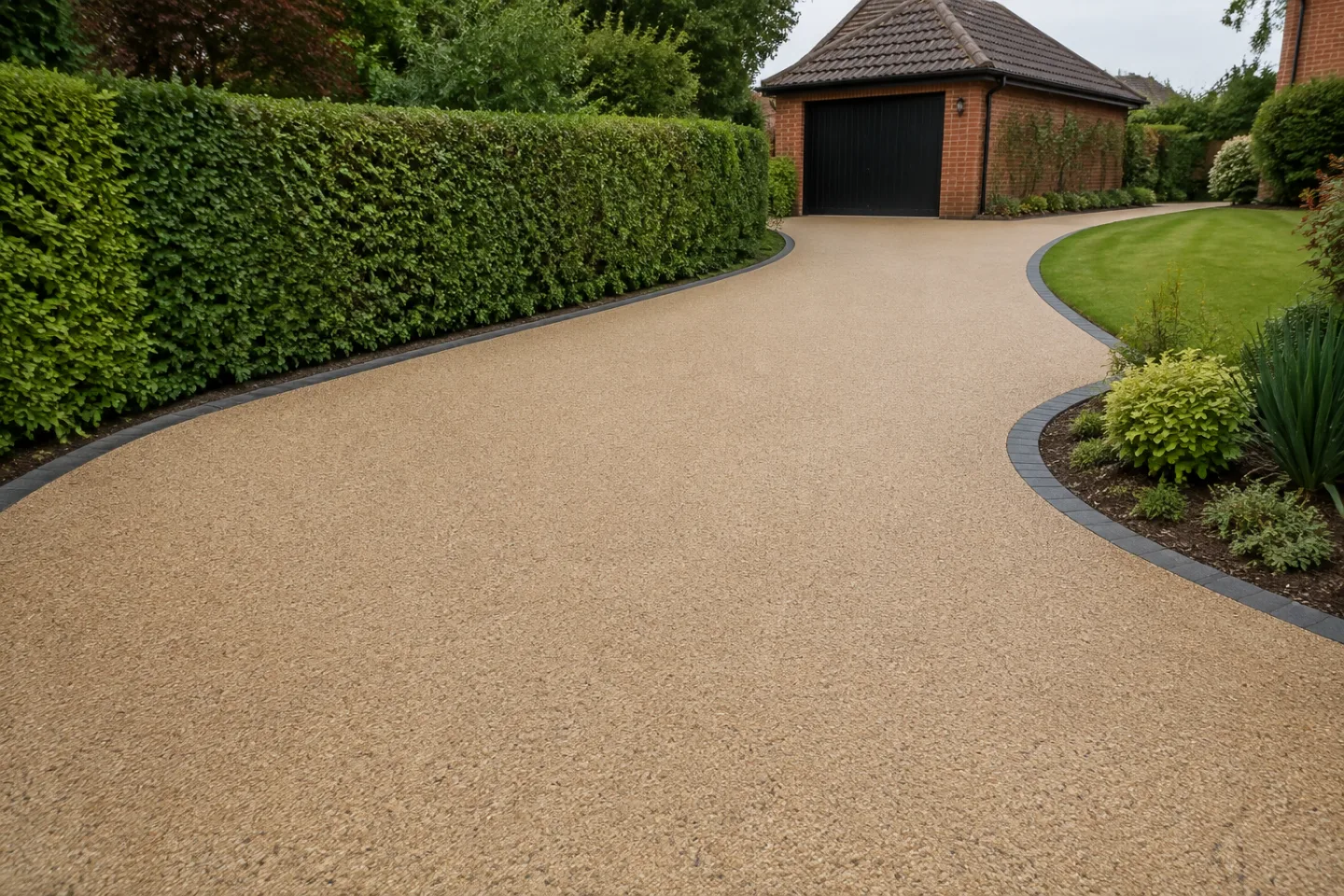
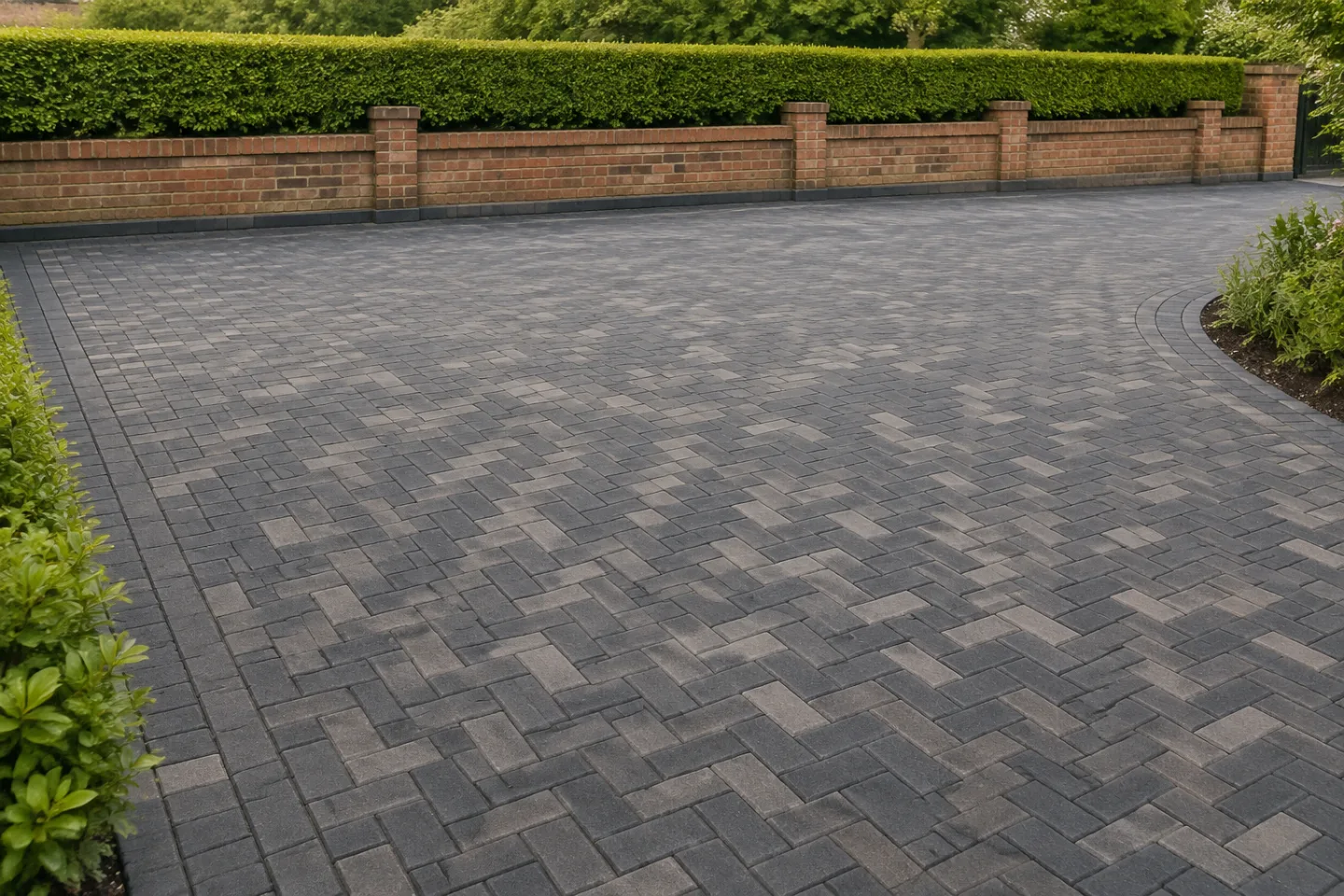
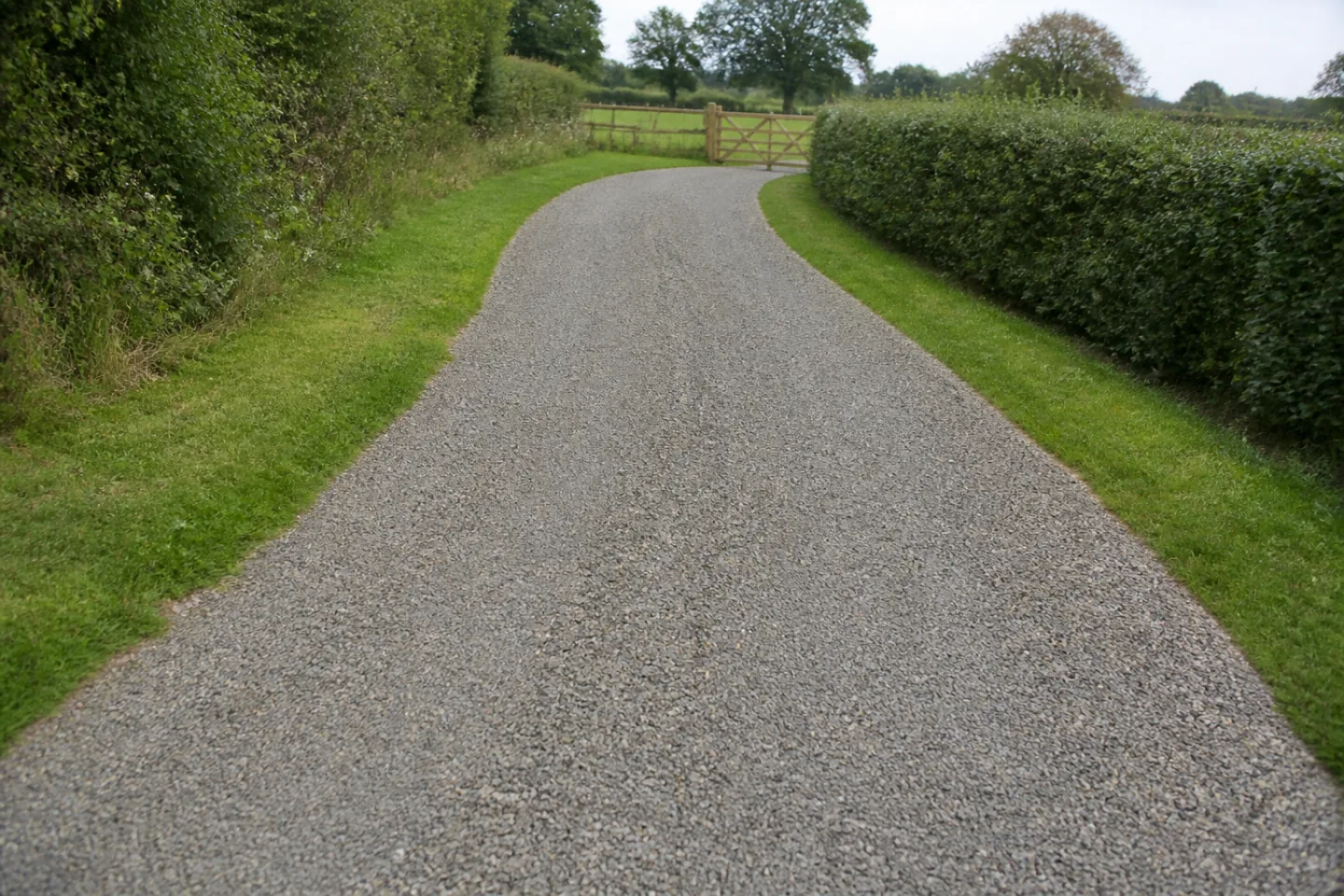
We carry out surface dressing for private access routes, drives and working sites. Often called tar and chip, it uses a bituminous binder and chippings to renew the texture of a suitable existing surface. It is a surface treatment, so its suitability depends on the road beneath it.
When surface dressing makes sense
A stable road with a worn surface may not need the same work as one that is sinking or breaking up. We assess both the visible wear and the support underneath. The purpose of the visit is to establish whether dressing, local repairs or more extensive resurfacing answers the problem.
Private roads and long driveways
On a longer route, we look at changes in traffic and condition along its length. An entrance carrying turning vehicles, a straight section and a parking area may need different preparation. A single price per metre without those details can disguise important differences.
Repair before treatment
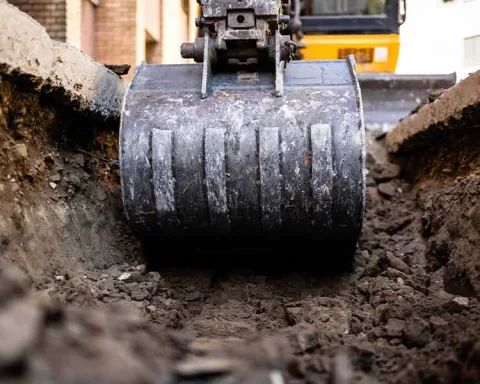
Potholes, unstable edges and drainage problems need attention before a new dressing. We identify those sections in the scope rather than treating the chippings as a way to conceal defects. Where the base has failed, a repair or reconstruction should be considered first.
Preparation, application and aftercare
- Inspect the route and agree repairs, access and the treatment area.
- Prepare the existing surface and complete the specified repairs.
- Apply the chosen binder and aggregate treatment in suitable conditions.
- Agree the arrangements for loose chippings and instructions for early traffic.
Weather and use matter
Application needs conditions suitable for the specified system. Dates may need adjusting if the surface or weather is unsuitable. Early traffic management also matters: loose chippings can remain while the dressing settles, so drivers need clear advice about speed and turning. We discuss this before work starts, especially where several households or a working business share the route.