Where we work
Surfacing contractors in West Sussex
Laymac Ltd covers West Sussex and the villages around it. Tell us what needs doing and we will come and look at it.
West Sussex runs from the flat coastal plain behind Chichester, up over the chalk of the South Downs, along the greensand ridge through Petworth and Midhurst, and out into the heavy clay of the Weald around Horsham. That is three or four different sets of ground conditions inside an hour of driving, and a single county-wide surfacing specification would ignore all of them. Horsham is our base, so West Sussex is the county on our doorstep. County coverage here means we travel to the site and look at it, not that we claim an office in every town.
The ground under a West Sussex job
Wealden clay is what the ground around Horsham is made of. It holds water, softens under load through a wet winter and moves as it dries in summer. A drive or farm track built straight onto clay without a sub-base, and without somewhere for the water to go, will rut whatever is laid on top. On the greensand around Petworth and Midhurst the ground drains more freely but can be loose, so the question changes from whether the formation holds water to whether it holds compaction. Up on the chalk of the Downs the formation is often stable already, and the work becomes a matter of levels, edges and getting surface water away before it runs back towards a building. On the coastal plain around Chichester the levels are flat and the fall available for drainage is limited, which shapes the design more than the material.
This is why we look before we price. The free site visit is where we establish what is under the existing surface, where the water goes after heavy rain and what the heaviest vehicle using the area actually is. Those three answers decide the build-up, and the written price that follows sets the construction out layer by layer.
Who we surface for across the county
West Sussex work divides roughly into three. There are rural sites: farms, estates, equestrian yards, stone tracks and long rural driveways, often with a gate at the lane and a few hundred metres of approach behind it. There are private roads, the shared approaches serving a handful of houses where nobody has been responsible for maintenance for years. And there are working sites: business parks, industrial units, yards and commercial car parks where the surface carries loaded vehicles braking and turning in the same few square metres daily. Alongside those we lay domestic driveways in and around Horsham, Petworth, Midhurst and Chichester.
Diversified farms bring a fourth kind of job. Farm shops, holiday lets, wedding venues and campsites put public traffic onto ground laid out for tractors, which means proper parking and access that works in February as well as in July.
How West Sussex conditions change the work
Access is the first thing that changes. Lanes through the Weald are narrow, often banked and frequently overhung, so the size of lorry that can reach a site is a genuine question and one we settle at the survey rather than on the morning of the delivery. Where a large vehicle cannot get in, material comes in smaller loads and the programme allows for it.
The second is how the surface is laid. Open runs, long approach drives and yards get machine-laid asphalt and tarmac, which gives even thickness, consistent compaction and a finish without the joins you get from working in small bays. Tight courtyards, narrow entrances, steps, thresholds and the ground around covers need hand lay surfacing instead, worked in by rake and compacted with smaller plant. Most jobs of any size use both, and the specification should say which is which.
The third is material. On tracks, farm access and working hardstanding where a refined finish is not the point, road planings can be a sensible construction provided the source and grading are known and the ground beneath has been prepared. On estate and parkland drives a graded stone track often performs better than tarmac. Where appearance leads, block paving gives the choice of colour, pattern and edge detail, with the edge restraint and drainage treated as structure rather than trim.
Choosing a surface in West Sussex
As surfacing contractors we carry out tarmac and asphalt, resin, block paving, surface dressing and road surfacing on private and estate roads, alongside road planings, stone tracks, recycled materials and the groundworks beneath them. The guides below set out the preparation each one needs and the limits of the material.
- Tarmac surfacing in West Sussex
- Surface dressing in West Sussex
- Road planings in West Sussex
- Resin driveways in West Sussex
- Block paving in West Sussex
- Recycled surfacing in West Sussex
- Private road surfacing in West Sussex
- Farm track surfacing in West Sussex
Surfacing in Horsham
Horsham is our base. For a job in the town, see private road resurfacing in Horsham, commercial surfacing in Horsham, tarmac in Horsham, driveways in Horsham, resin driveways in Horsham, block paving in Horsham, surface dressing in Horsham and recycled surfacing in Horsham, or everything we surface in Horsham.
Preparing for a site assessment
Send the property location, an approximate area or route length and photographs showing the whole entrance or run rather than the worn patch alone. Tell us about access restrictions, planned building or utility work and the heaviest vehicles using the surface. We bring over 60 years of family experience to the visit, and if patching or dressing will hold we will say so rather than quoting a rebuild.
What we do
Our work in West Sussex
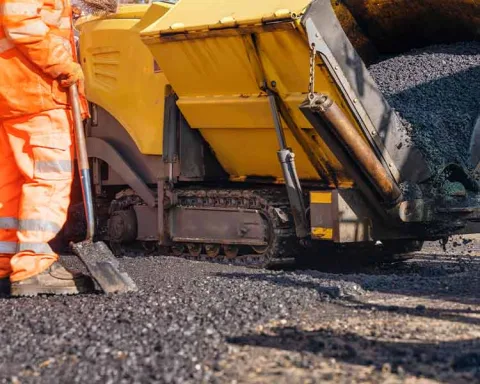
Surface Dressing in West Sussex
Tar and chip surface dressing for sound private roads, long drives and access routes that need a renewed wearing surface.
Learn more →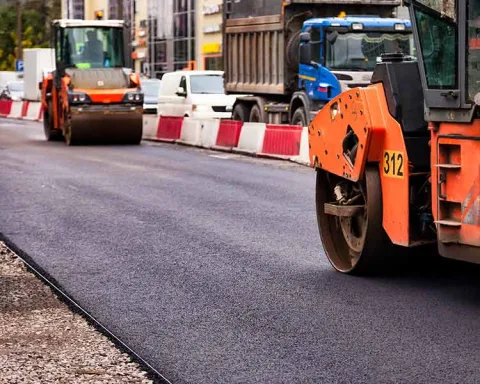
Road Surfacing in West Sussex
Private roads, estate roads and access routes surfaced, resurfaced and repaired.
Learn more →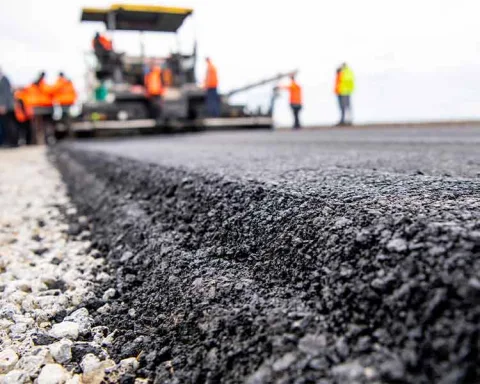
Tarmac & Asphalt in West Sussex
Tarmac and asphalt laid for driveways, private roads, parking areas and working yards, with preparation matched to the traffic.
Learn more →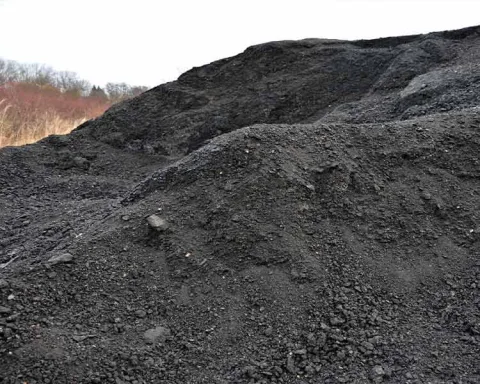
Road Planings in West Sussex
Reclaimed road planings laid and compacted for suitable tracks and hardstanding, with the material and ground assessed before use.
Learn more →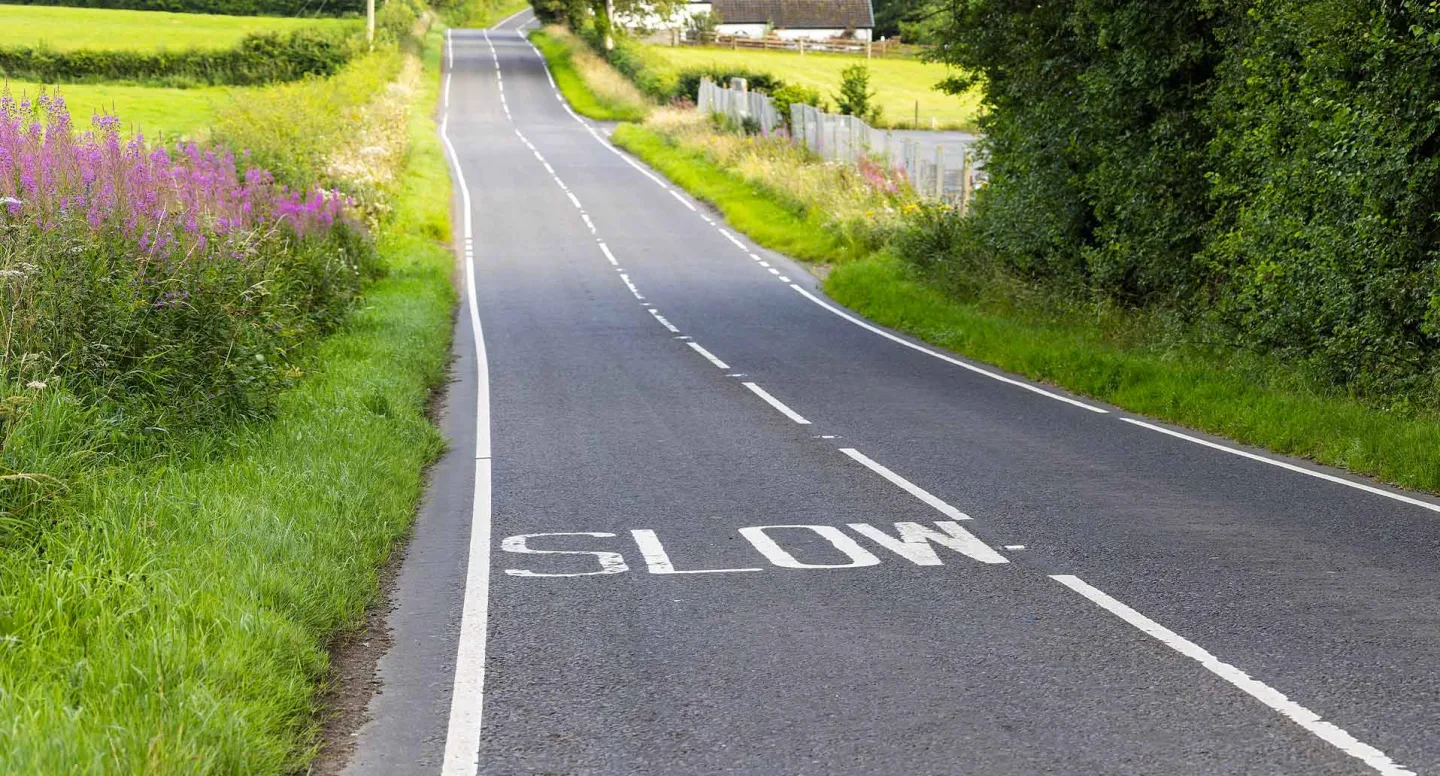
Rural & Farm Access in West Sussex
Surfacing for farms, estates, equestrian yards and rural businesses, planned around a working site.
Learn more →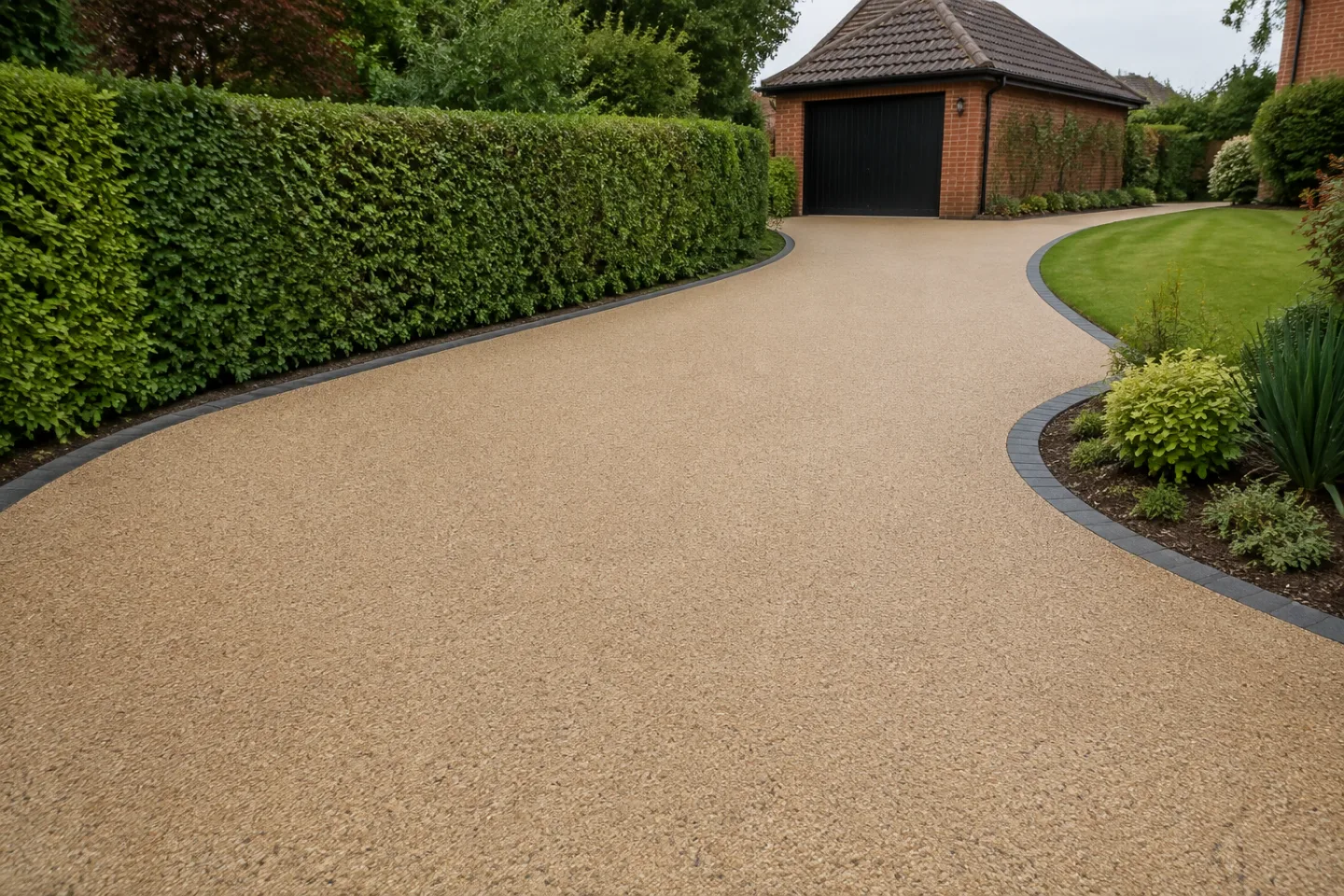
Resin Driveways in West Sussex
Resin driveway installation with the base, drainage, edges and intended vehicle use considered alongside the finished appearance.
Learn more →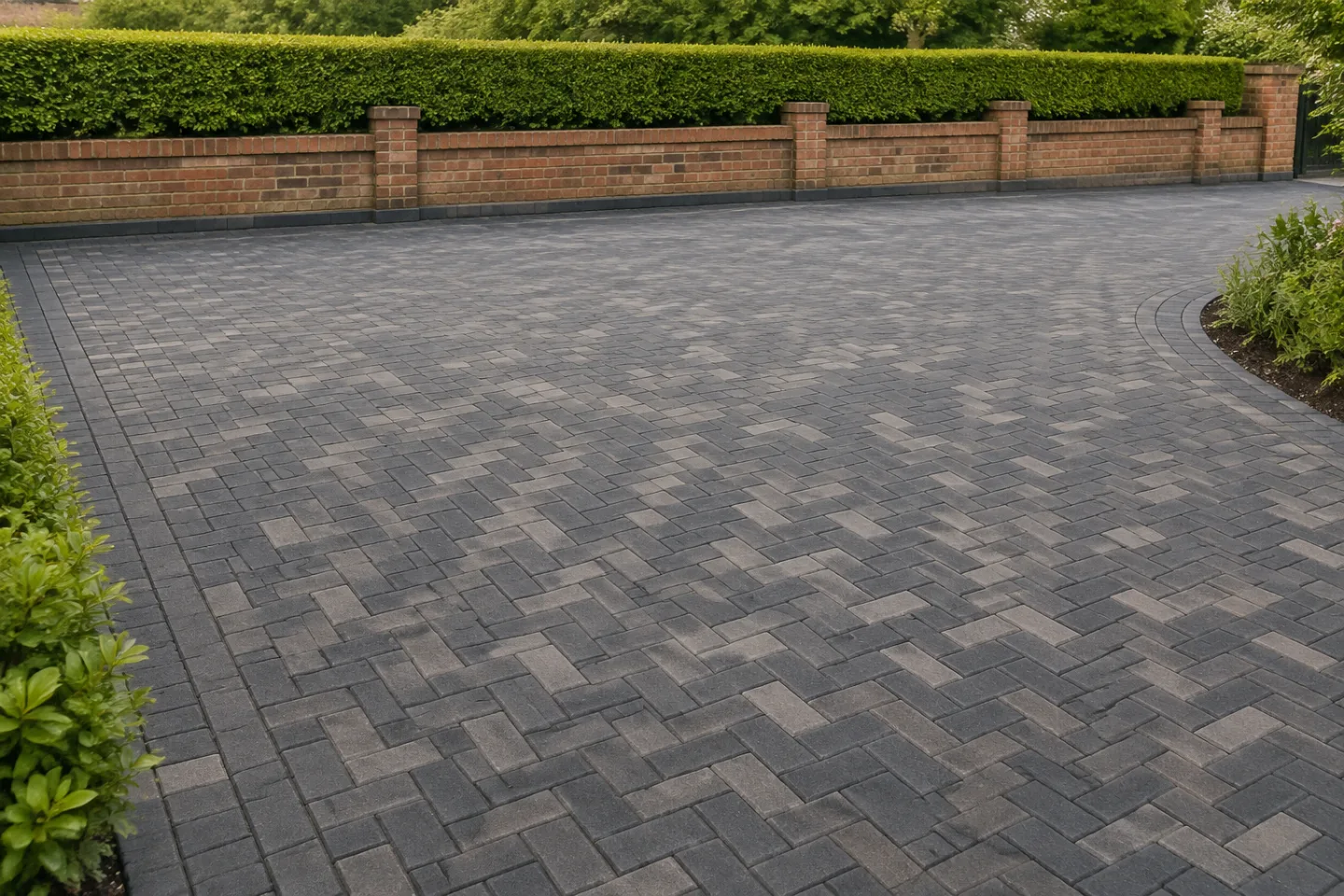
Block Paving in West Sussex
Block paving laid for driveways, entrances and parking areas, with the layout and supporting construction designed around daily use.
Learn more →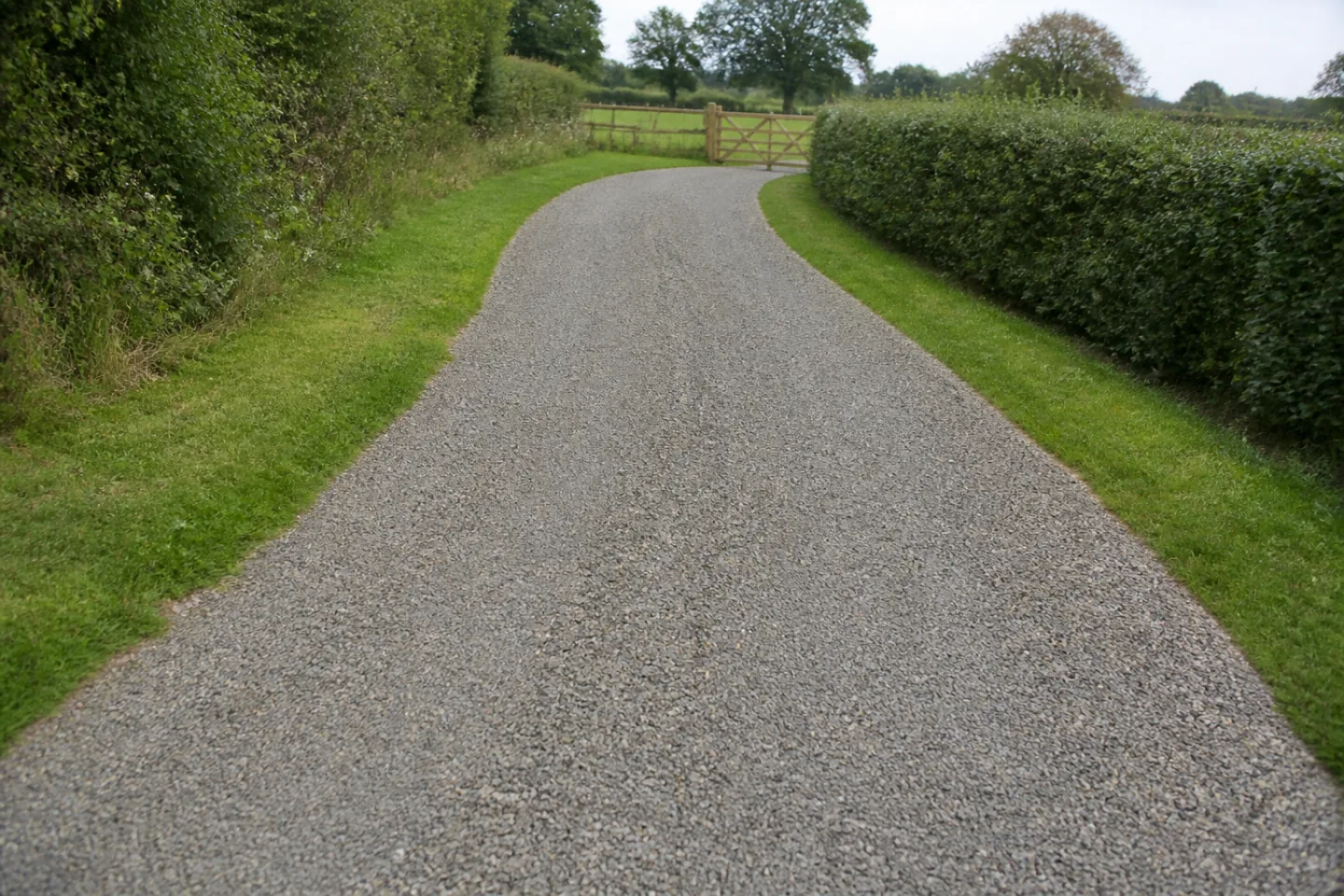
Recycled Material Surfacing in West Sussex
Recycled materials laid for suitable access routes and hardstanding, selected for their role in the finished construction.
Learn more →Our work
Jobs near West Sussex
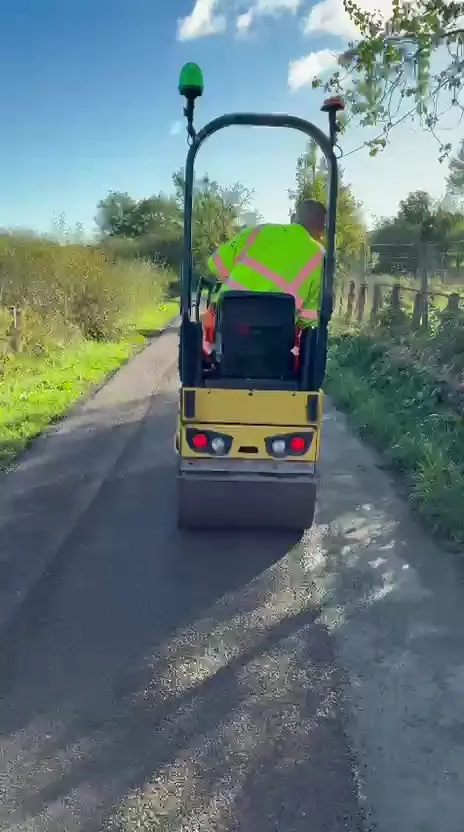
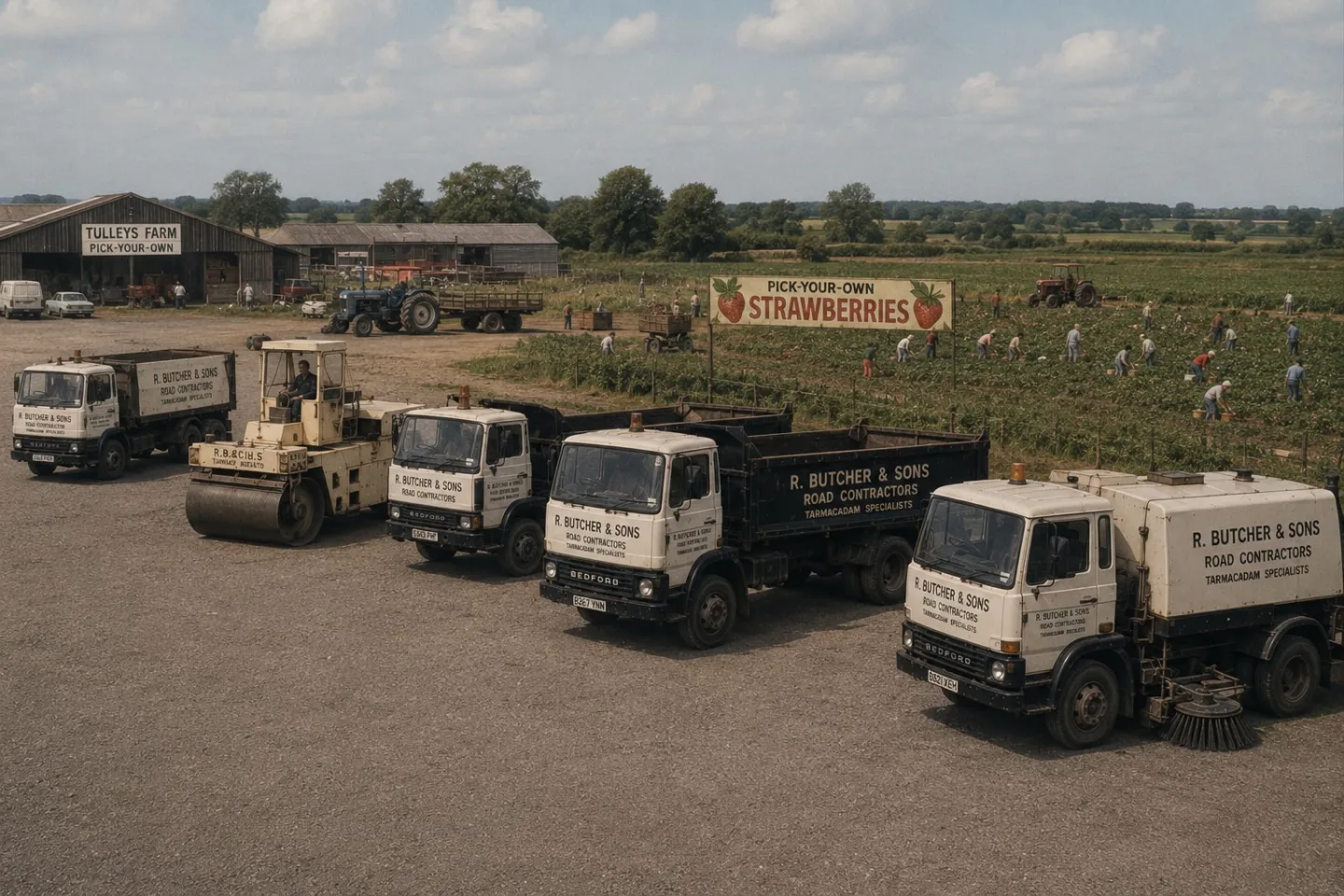
Every photograph here is Laymac's own, taken on the job.
What people say
In their words, not ours
After speaking with a few of laymacs references we decided to go with Robert as his approach and professional advice went a long way with me.
Had my driveway done by laymac ltd done a wonderful job got the job completed on time always kept the site clean and tidy staff well Mannered and friendly
Fantastic professional company stuck to their word and got the job done efficiently and quick thanks very much for your service
Before you ring
Surfacing in West Sussex: your questions
Which parts of West Sussex do you cover?
The whole county from our Horsham base, including Horsham, Petworth, Midhurst and Chichester and the rural areas around them. We travel to the site for the survey rather than pricing from a photograph.
Does Wealden clay mean my driveway needs digging out?
Not always. Clay holds water and softens under load, so drainage and sub-base matter more than they would on chalk, but if the existing construction is stable an overlay can still be the right answer. The survey settles it.
Can you get a lorry down a narrow West Sussex lane?
We check that at the site visit. Where a large vehicle cannot reach the working area we plan smaller loads and adjust the programme, and we agree the arrangement with you before anything is booked.
Is hand lay surfacing as good as machine laid?
For confined areas, awkward shapes and work around covers and thresholds, hand lay is the correct method. Machine laying suits open runs and larger areas because it gives more even thickness and compaction. Most jobs use both, and the quote says where.
Nearby
Towns either side of West Sussex
- Alton
- Billingshurst
- Blandford Forum
- Burgess Hill
- Chichester
- Cranleigh
- Crawley
- Crowborough
- Dorking
- Dorset
- East Grinstead
- East Sussex
- Farnham
- Guildford
- Hampshire
- Haywards Heath
- Heathfield
- Horsham
- Lewes
- Midhurst
- Partridge Green
- Petersfield
- Petworth
- Reigate
- Ringwood
- Shaftesbury
- Sherborne
- Southwater
- Storrington
- Surrey
- Uckfield
- Wimborne
- Winchester
West Sussex · Surrey · East Sussex · Hampshire
Get a straight answer today
Give us a ring. If nobody picks up we are on a job, so leave a message and you will get a call back.