
Hampshire
Farm access surfacing in Winchester
Farm access surfacing in Winchester, with the preparation and proposed construction assessed for your property. Discuss your driveway, access route or working area with us.
For Winchester farm and rural access work, we discuss the busiest and heaviest movements the route needs to accommodate. Cars may use it daily while a loaded delivery arrives occasionally. Both belong in the brief, especially at gateways, bends and standing areas.
Account for deliveries beyond the everyday traffic
Across SO21, SO22 and SO23 enquiries, we assess the actual property rather than assuming one rural layout. Tell us where vehicles need to pass, whether reversing can be avoided and which route must remain available during the work. These details influence the design and sequencing.
We inspect the supporting ground and drainage before comparing surfaces. A working approach may need different treatment from a domestic entrance on the same site. The written scope should identify those changes and how they connect, along with any retained sound construction. That makes it easier to plan a useful access improvement without treating a single material as the answer to every part of the property.
Planning work in Winchester
Hampshire publishes a townscape assessment for Winchester rather than treating the city as a single type of development. We likewise assess the individual entrance, from its thresholds to its unloading space. Tell us if building work, utilities or a change in parking are also planned. The right time to settle those connections is before a new surface fixes the finished levels.
Planning work on an occupied site
We establish the intended loads, the condition of the existing ground and how the site needs to operate during the work. The specification can then describe preparation, drainage and the chosen surface. Deliveries, livestock movements and access for other users need agreement before the programme is set. The appropriate finish follows those requirements rather than a single material being prescribed for every farm.
Explore our farm access surfacing service for the wider construction options, or see our work coverage in Winchester.
- Three generations of working on farms and estates
- Phased so the yard keeps working, milking and collections included
- Build-ups specified for tankers, telehandlers and loaded trailers
- Falls set for slurry and rainwater, not just for looks
- Used to made-up ground and the surprises it brings
Our work
Jobs near Winchester
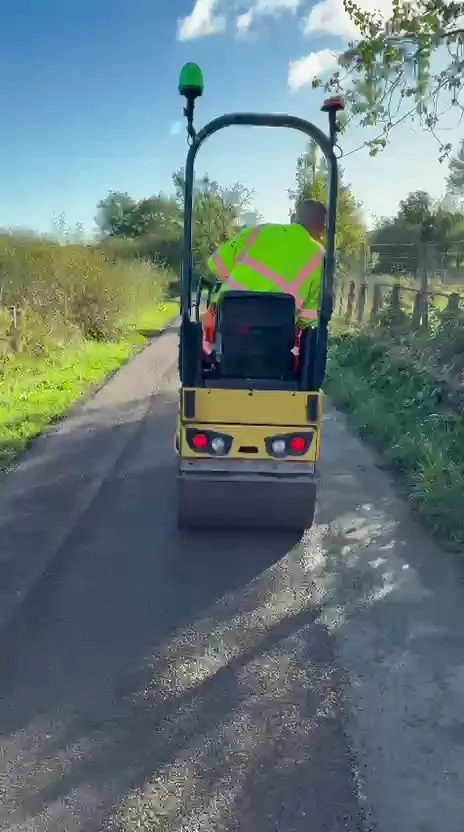
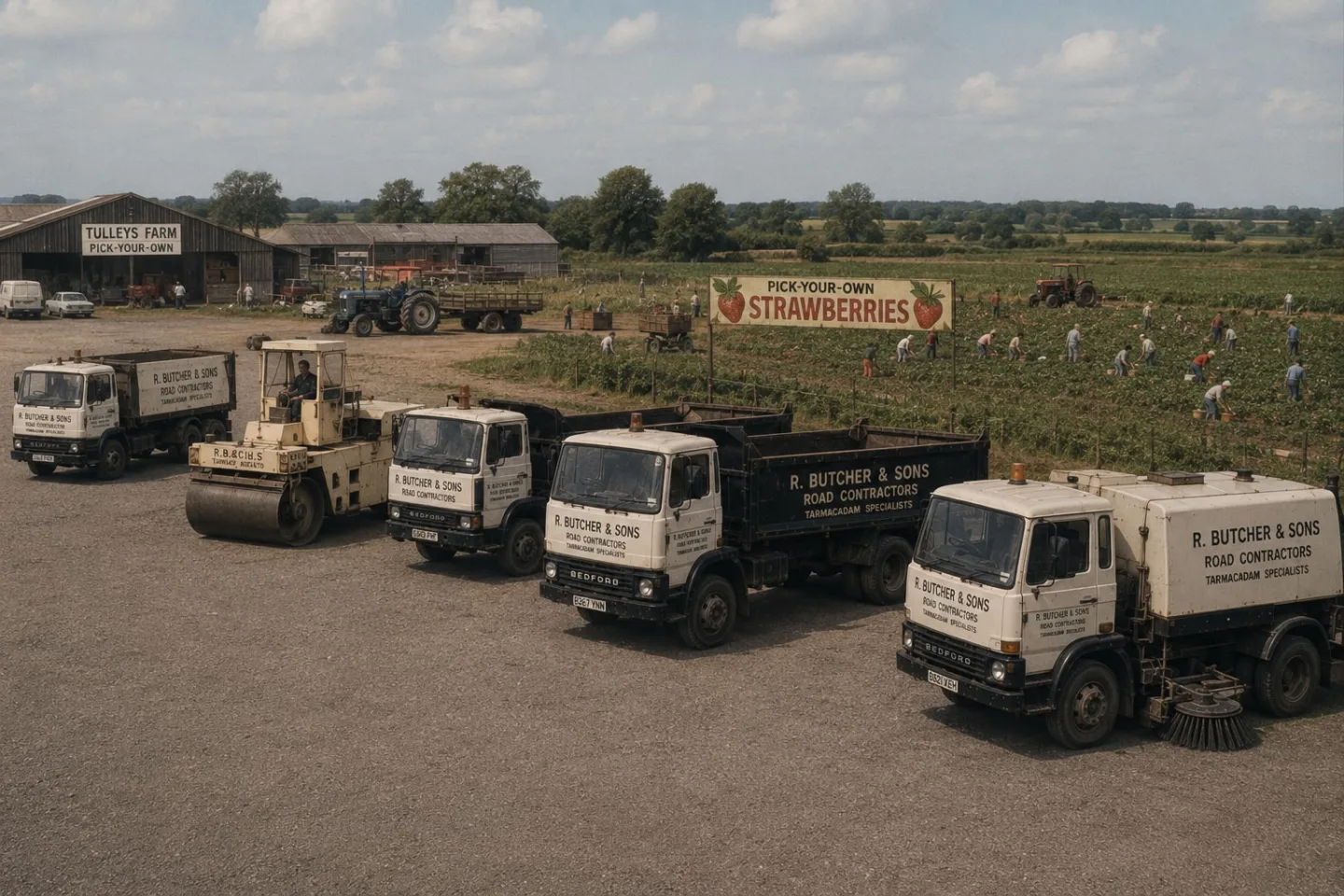
Every photograph here is Laymac's own, taken on the job.
What people say
In their words, not ours
Had my driveway done by laymac ltd done a wonderful job got the job completed on time always kept the site clean and tidy staff well Mannered and friendly
Fantastic professional company stuck to their word and got the job done efficiently and quick thanks very much for your service
Had Lay Mac over to do resin on a rental property off mine , I was very happy with the finishing project looked great .
Before you ring
Rural & Farm Access in Winchester: common questions
Can different parts of a farm route use different finishes?
Potentially. We assess loading, appearance and maintenance requirements by area, then define any changes of construction and their joins in the scope.
West Sussex · Surrey · East Sussex · Hampshire
Get a straight answer today
Give us a ring. If nobody picks up we are on a job, so leave a message and you will get a call back.