Groundworks
Traditional Stone Tracks
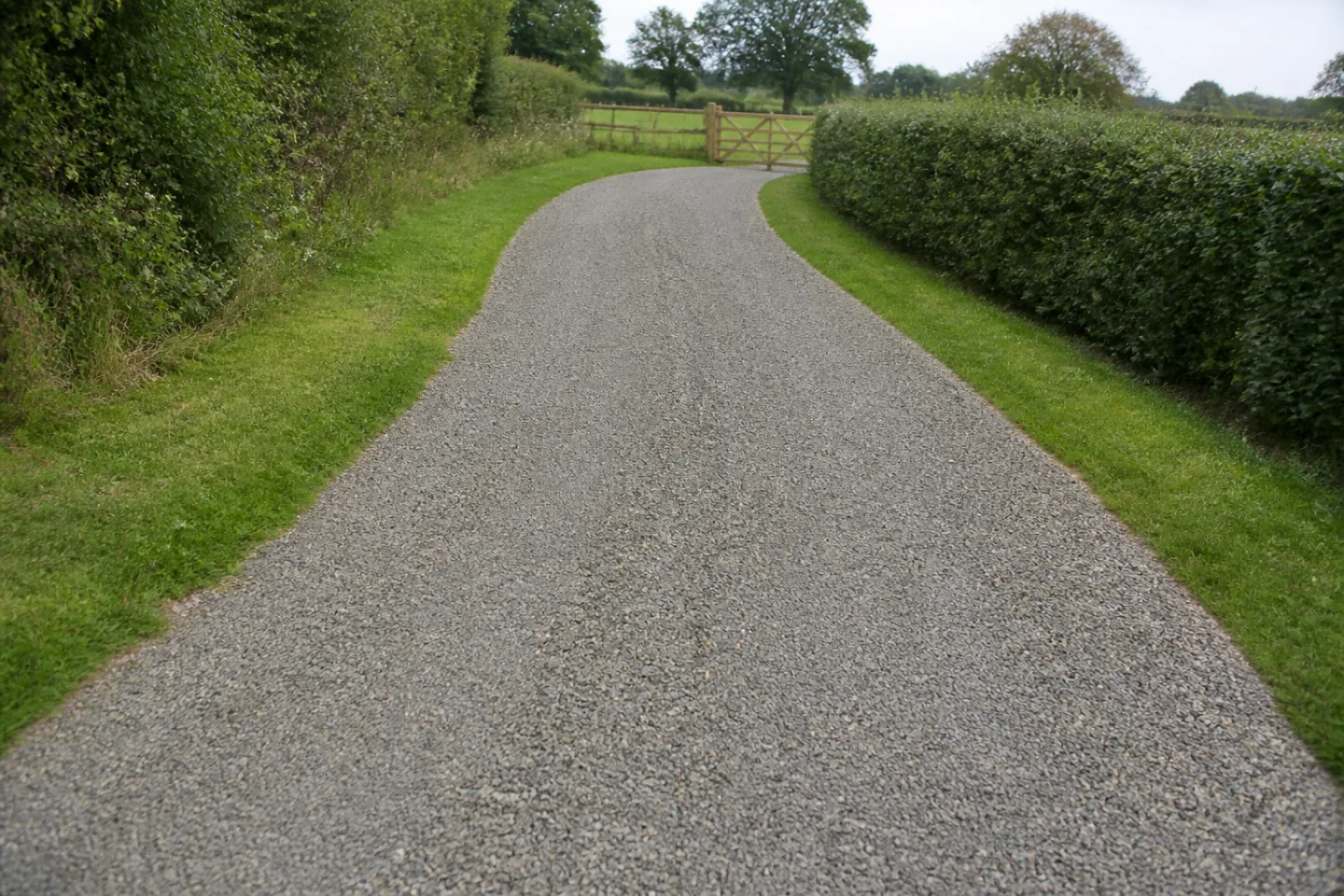
Stone farm tracks and estate drives, built to carry weight and to look right in the landscape.
A stone track is still the right answer for a great deal of rural access. It carries heavy machinery, it copes with being churned in a wet winter, it can be topped up rather than replaced, and on an estate or in open country it looks like it belongs in a way that a strip of black tarmac never does.
What our stone track service includes
New farm and field tracks
Formation dug out, geotextile membrane where the ground needs it, a coarse stone base and a graded topping. The membrane is what stops the stone disappearing down into soft ground over a couple of seasons, and on wet land it is the difference between a track and an expensive mistake.
Estate and parkland drives
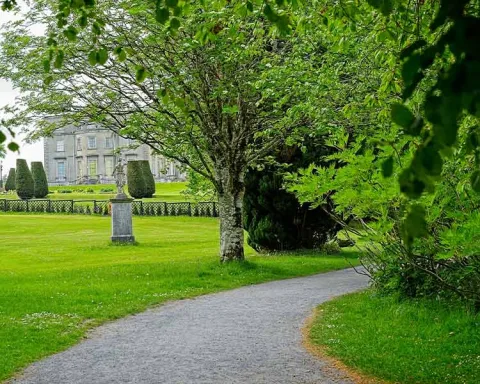
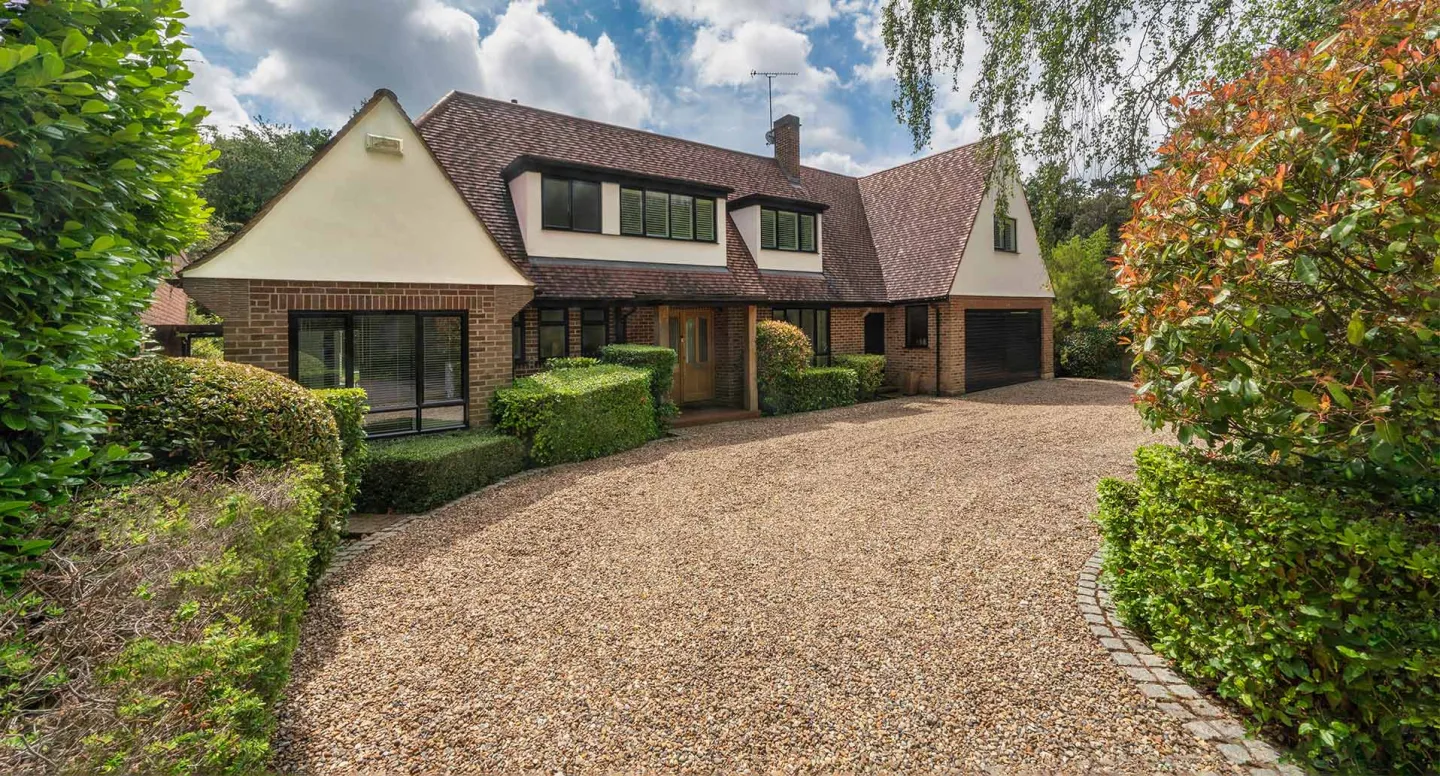
Access drives through parkland and grounds, built with a stone and finish chosen to suit the setting. On listed and conservation sites the appearance is part of the brief rather than an afterthought, and we will work to what has been agreed.
Repairing and re-topping existing tracks
Most tracks that have gone soft do not need rebuilding. They need the ruts taking out, the drainage reinstating and a fresh topping graded and rolled in. That is a fraction of the cost of starting again.
Passing places, turning heads and gateways
Gateways and turning areas take far more punishment than the run of a track, because that is where vehicles slow, turn and stand. They are worth building heavier than the rest, and it is cheaper to do that at the outset.
How we work
- Walk the route with you, looking at the ground, the falls and the wet spots.
- Written quote with the build-up, the stone and the drainage set out.
- Excavate the formation and lay membrane where the ground calls for it.
- Stone in layers, compacted as it goes, then graded and rolled to a finish that sheds water.
Camber and drainage
A stone track that holds water will not last a winter. It needs a camber or a crossfall so water runs off the surface rather than sitting in the wheel ruts, and it needs somewhere for that water to go once it leaves. Ditching, culverts under the track and cross drains at the low points are all part of building a track properly, and skipping them is the most common reason a track fails early.

Our work
Stone tracks
Our work
Jobs we have finished
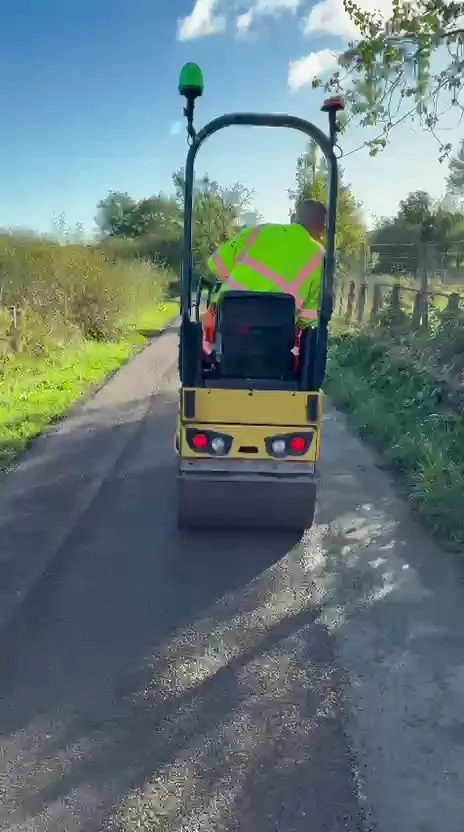
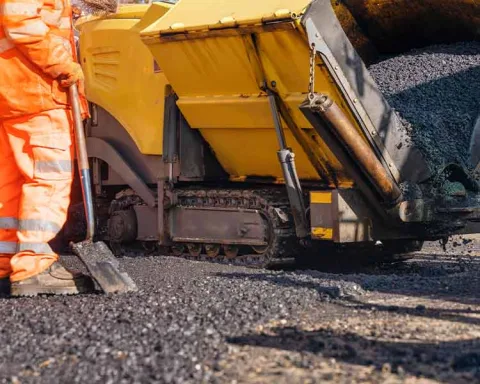
Every photograph here is Laymac's own, taken on the job.
What people say
In their words, not ours
Farm track had been breaking up for years and we had patched it twice. They dug it out properly, sorted the drainage first and it has been through a winter now without moving.
Yard resurfaced around a working farm. They phased it so we could still get the milk lorry in and out every day, which nobody else quoting for it had even mentioned.
Came out, walked the drive with us and told us it did not need replacing, just dressing. Saved us a lot of money and they still turned up to do the smaller job properly.
Everything else we do
Not quite the job you have?
Surface Dressing
Hot bitumen and granite chippings, the traditional tar and chip finish that seals and re-textures an existing surface.
Learn more →
Road Surfacing
Private roads, estate roads and access routes surfaced, resurfaced and repaired.
Learn more →
Tarmac & Asphalt
Machine-laid tarmac and asphalt for drives, yards, car parks and access roads.
Learn more →
Driveways
Tarmac, tar and chip, block paved and gravel driveways, laid on a base built to last.
Learn more →
Commercial & Industrial Surfacing
Yards, car parks, loading areas and industrial hardstanding built for real weight.
Learn more →
Dig Outs & Groundwork
Excavation, drainage and sub-base preparation, the work under the surface that decides how long it lasts.
Learn more →
Road Planings
Recycled road planings supplied, laid and rolled, the low-cost hard surface for tracks and yards.
Learn more →
Rural & Farm Access
Surfacing for farms, estates, equestrian yards and rural businesses, planned around a working site.
Learn more →Where we work
Traditional Stone Tracks near you
These are the areas we cover. If yours is not listed and you are nearby, ring anyway, it is a short conversation.
Before you ring
Questions we get asked about traditional stone tracks
What stone do you use?
It depends on the ground, the traffic and the finish you want. Typically a coarse crushed stone for the base with a finer graded topping over it. On estate and parkland drives the appearance of the topping matters too, and we will bring options rather than assume.
Is a stone track cheaper than tarmac?
To build, usually yes, sometimes by a long way. It does need occasional topping up where tarmac does not, so over a long period the gap narrows. For farm and field access, stone is very often the better value answer as well as the cheaper one.
My existing track has gone soft and rutted. Does it need replacing?
Usually not. Most soft tracks are a drainage problem, not a construction problem. Reinstating the falls, clearing the ditches and re-topping is normally enough, and it costs a fraction of a rebuild.
West Sussex · Surrey · East Sussex · Hampshire
Get a straight answer today
Give us a ring. If nobody picks up we are on a job, so leave a message and you will get a call back.